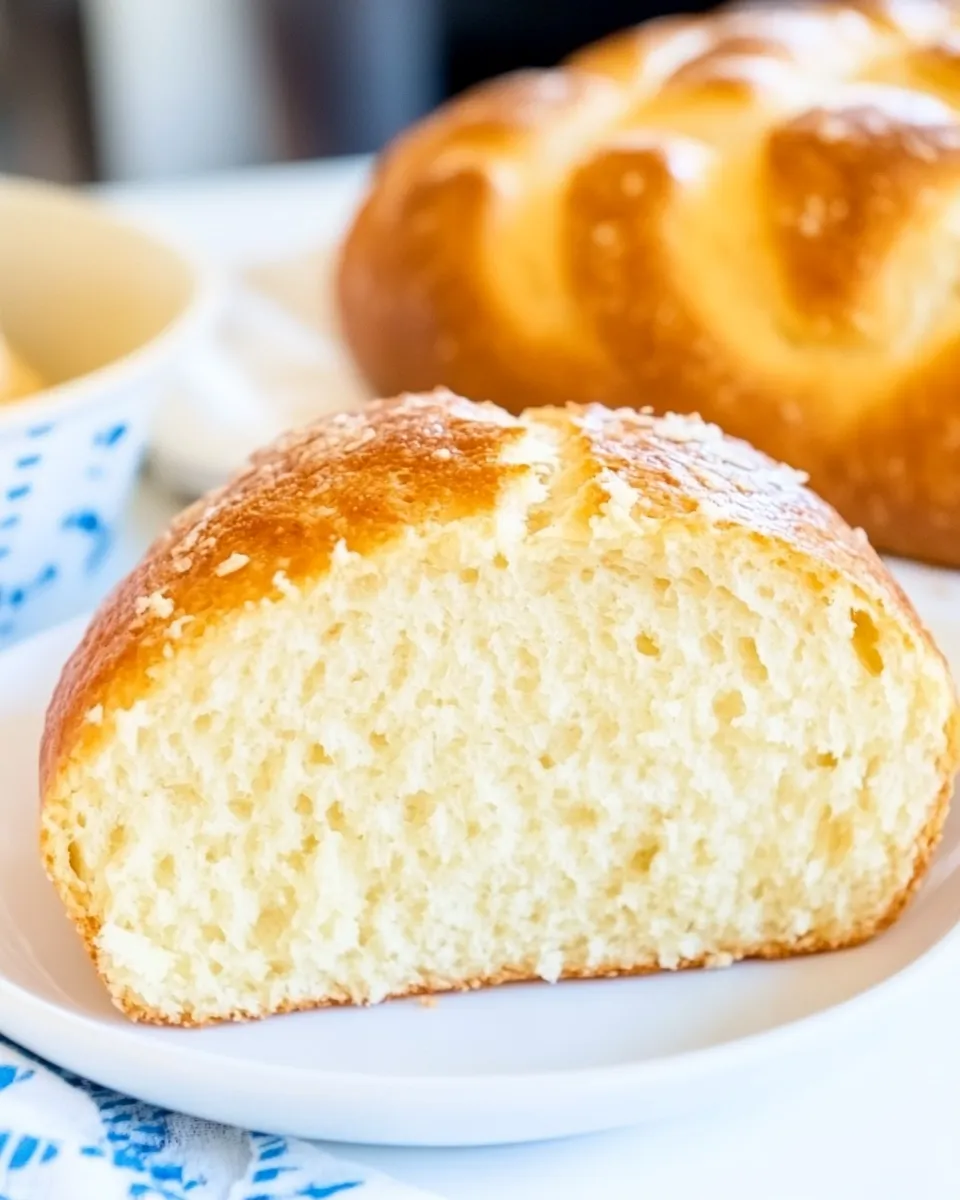
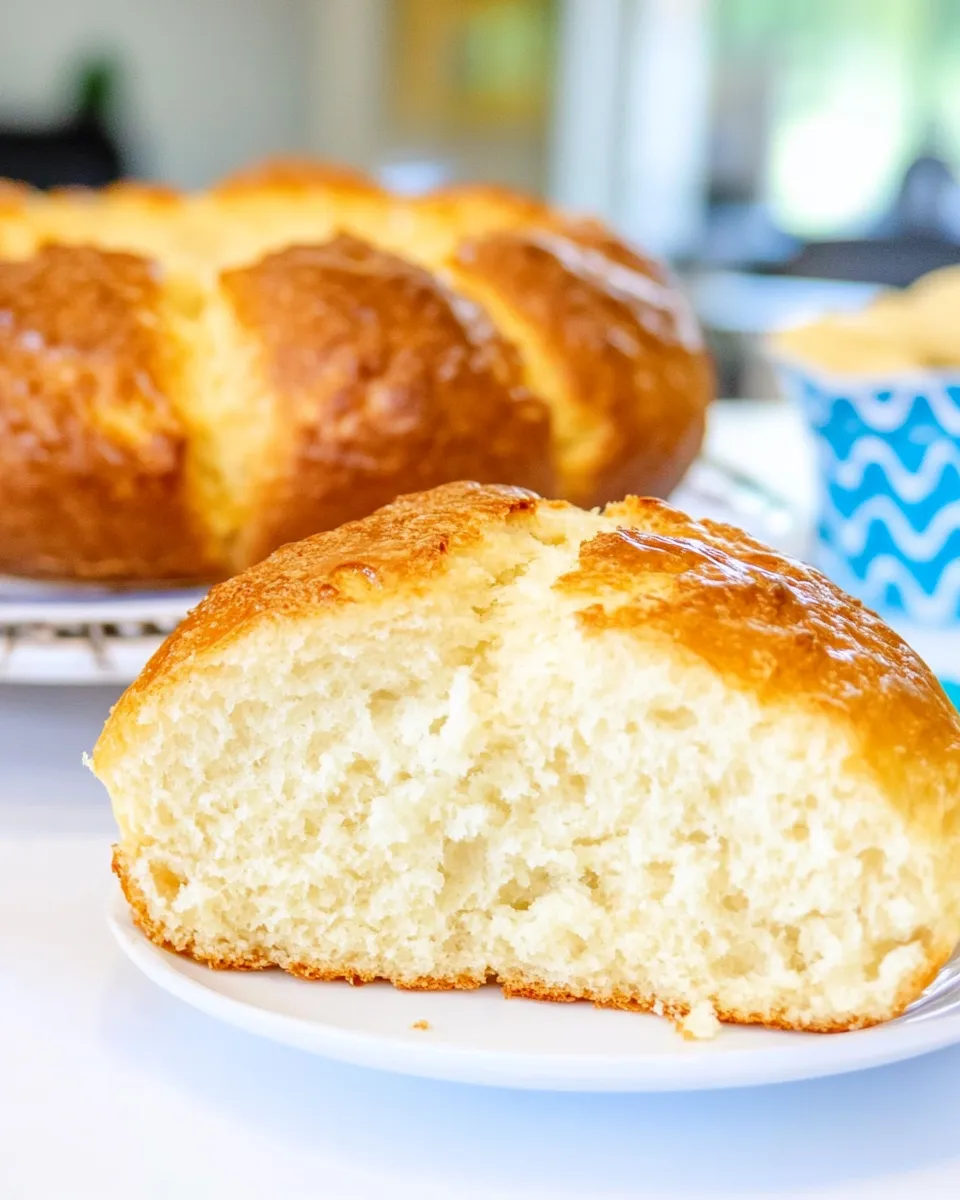
Sally Lunn Bread is a delightful, slightly sweet, and incredibly fluffy bread that has a rich history dating back to the 18th century. Originating in Bath, England, this bread is known for its soft texture and versatility. Whether you spread some butter and jam on it for breakfast or use it as a base for sandwiches, Sally Lunn Bread is a true treat. In this article, we will explore the ingredients, preparation methods, and tips to make your own batch of this classic bread at home.
What You’ll Love About This Recipe
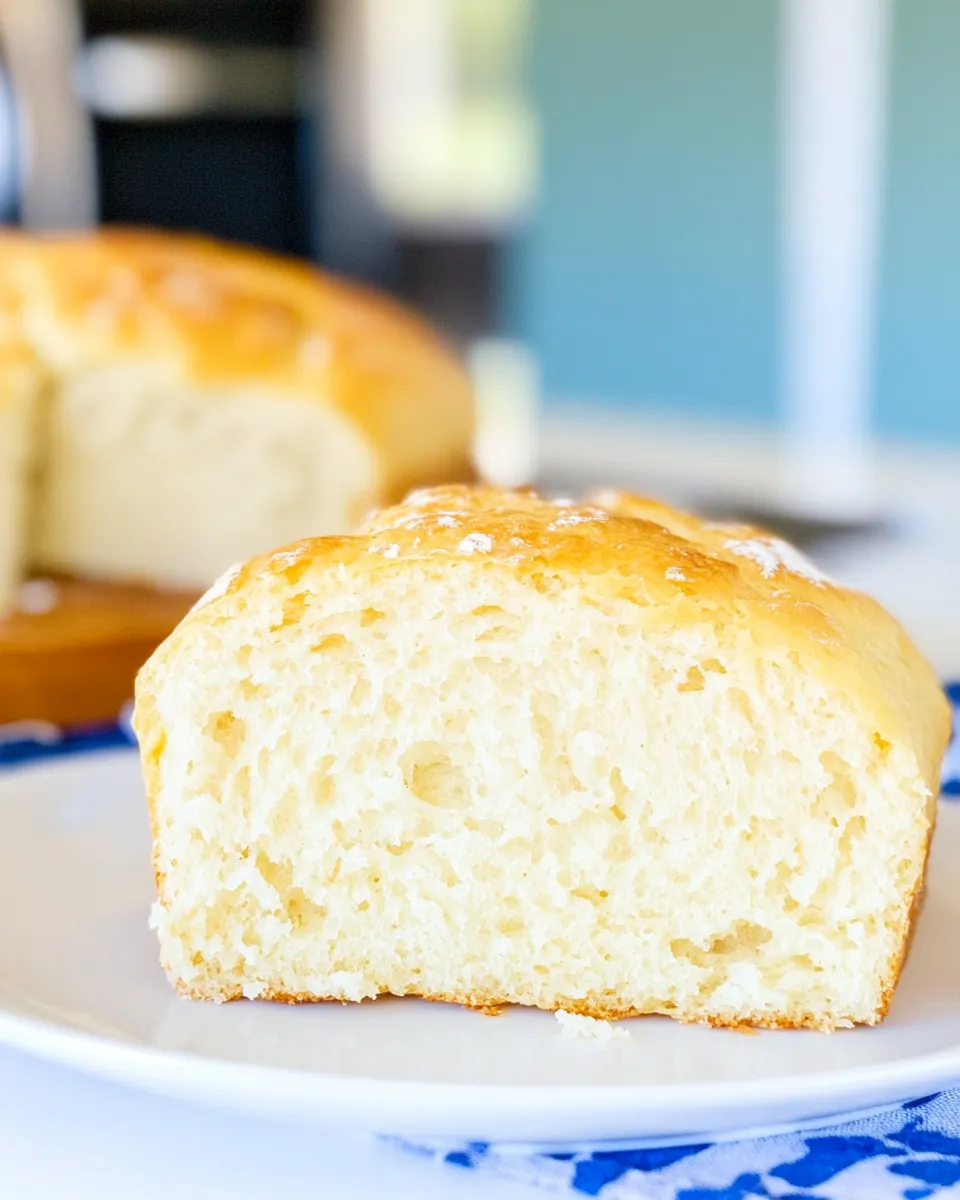
This recipe for Sally Lunn Bread is not only simple but also rewarding. You will love the following aspects:
– Soft and Fluffy Texture: The combination of milk, butter, and eggs ensures a light and airy loaf.
– Sweet Flavor: The sugar adds a subtle sweetness that complements any topping.
– Versatility: Enjoy it warm from the oven, or use it in a variety of dishes, from breakfast to dinner.
– Perfect for Sharing: This bread makes a wonderful addition to any gathering or family meal.
Ingredient Checklist
To make your own Sally Lunn Bread, gather the following ingredients:
- 1 1/2 cups whole milk
- 3/4 cup sugar
- 1/2 cup butter (unsalted, for best flavor)
- 1 teaspoon salt
- 2 (1/4-ounce) packets active dry yeast
- 1/2 cup warm water (between 100 to 110 degrees Fahrenheit)
- 2 large eggs
- 5 cups all-purpose flour
Prep & Cook Tools
Before you start, make sure you have the following tools ready:
- Large Mixing Bowl: For mixing your dough.
- Whisk: To combine ingredients smoothly.
- Measuring Cups and Spoons: For accuracy in your measurements.
- Wooden Spoon or Dough Hook: To knead the dough effectively.
- Baking Pan: A round or rectangular pan works well for shaping the bread.
- Kitchen Towel: For covering the dough while it rises.
How to Prepare Sally Lunn Bread
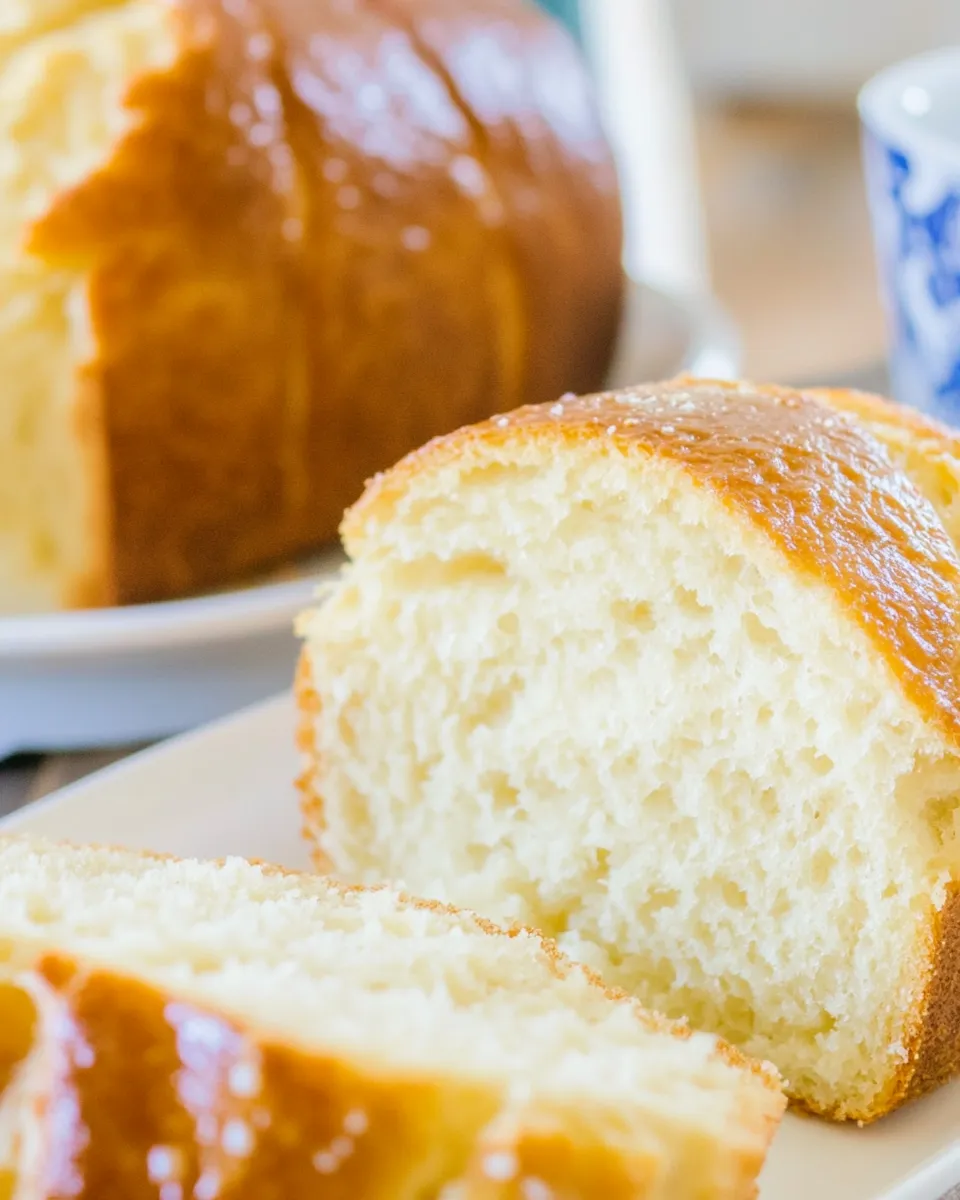
Follow these step-by-step instructions to create your own Sally Lunn Bread:
Step 1: Prepare the Yeast
In a small bowl, combine the warm water and the two packets of active dry yeast. Let it sit for about 5-10 minutes until it becomes frothy. This indicates that the yeast is active and ready to use.
Step 2: Heat the Milk and Butter
In a saucepan over low heat, warm the whole milk and butter together until the butter melts. Ensure the mixture does not boil. Remove it from heat and allow it to cool slightly.
Step 3: Combine Ingredients
In a large mixing bowl, pour in the milk and butter mixture. Add the sugar, salt, and the frothy yeast mixture. Whisk until well combined.
Step 4: Add Eggs
Add the two large eggs to the mixture and whisk until fully incorporated.
Step 5: Gradually Add Flour
Start adding the all-purpose flour, one cup at a time, mixing with a wooden spoon or dough hook until the dough begins to come together. You may not need to use all five cups, so add flour until the dough is slightly sticky but manageable.
Step 6: Knead the Dough
Transfer the dough to a floured surface and knead for about 8-10 minutes until it becomes smooth and elastic. If the dough is too sticky, add a little more flour as needed.
Step 7: First Rise
Place the kneaded dough in a greased bowl, cover it with a kitchen towel, and let it rise in a warm place for about 1-2 hours, or until it has doubled in size.
Step 8: Shape the Dough
Once the dough has risen, punch it down to release the air. Shape it into a loaf and place it into a greased baking pan.
Step 9: Second Rise
Cover the shaped dough with the kitchen towel again and let it rise for another 30-45 minutes, or until it has risen slightly above the edge of the pan.
Step 10: Bake
Preheat your oven to 350°F (175°C). Bake the bread for 30-35 minutes or until it is golden brown on top and sounds hollow when tapped.
Step 11: Cool and Serve
Remove the bread from the oven and let it cool in the pan for about 10 minutes before transferring it to a wire rack to cool completely. Serve it warm or at room temperature.
Customize for Your Needs
Sally Lunn Bread is a versatile recipe that can be easily customized to suit your taste. Here are some ideas:
- Add herbs or spices such as rosemary or cinnamon for a unique flavor twist.
- Mix in dried fruits like raisins or cranberries for added sweetness.
- Top with a glaze made from powdered sugar and milk for a sweet finish.
- Use whole wheat flour for a heartier version.
- Incorporate blueberries for a fruity variation.
Cook’s Notes
- Make sure the milk is warm, not hot, to avoid killing the yeast.
- Feel free to experiment with different types of flour for unique flavors and textures.
- If you prefer a slightly denser bread, reduce the amount of flour slightly.
- This bread can also be made in a bread machine if you prefer a hands-off approach.
Storing Tips & Timelines
To keep your Sally Lunn Bread fresh, follow these tips:
- Store in an airtight container at room temperature for up to 3 days.
- For longer storage, slice and freeze the bread, then toast slices directly from the freezer.
- Reheat the bread in the oven at 350°F for about 10 minutes for a fresh-baked taste.
Questions People Ask
Can I make Sally Lunn Bread without eggs?
Yes, you can substitute eggs with a mixture of flaxseed meal and water or applesauce for a vegan option.
What can I serve with Sally Lunn Bread?
This bread pairs well with butter, jam, honey, or even savory options like cheese and deli meats.
How do I know when my bread is done baking?
The bread should be golden brown and sound hollow when tapped. An internal temperature of about 190°F indicates it is fully baked.
Can I use alternative sweeteners in this recipe?
Yes, you can use honey, maple syrup, or agave nectar as substitutes for sugar. Just adjust the liquid ingredients accordingly.
Let’s Eat
Sally Lunn Bread is not just a recipe; it’s an experience that brings the warmth of home baking to your kitchen. As you enjoy your freshly baked bread, whether alone or with loved ones, you’ll appreciate the comforting aroma and texture that make it a timeless classic. So, roll up your sleeves and get ready to create a loaf that will impress everyone at your table!
Sally Lunn Bread
Ingredients
Equipment
Method
- In a small bowl, combine the warm water and the two packets of active dry yeast. Let it sit for about 5-10 minutes until it becomes frothy.
- In a saucepan over low heat, warm the whole milk and butter together until the butter melts. Remove it from heat and allow it to cool slightly.
- In a large mixing bowl, pour in the milk and butter mixture. Add the sugar, salt, and the frothy yeast mixture. Whisk until well combined.
- Add the two large eggs to the mixture and whisk until fully incorporated.
- Start adding the all-purpose flour, one cup at a time, mixing with a wooden spoon or dough hook until the dough begins to come together.
- Transfer the dough to a floured surface and knead for about 8-10 minutes until it becomes smooth and elastic.
- Place the kneaded dough in a greased bowl, cover it with a kitchen towel, and let it rise in a warm place for about 1-2 hours, or until it has doubled in size.
- Once the dough has risen, punch it down to release the air. Shape it into a loaf and place it into a greased baking pan.
- Cover the shaped dough with the kitchen towel again and let it rise for another 30-45 minutes, or until it has risen slightly above the edge of the pan.
- Preheat your oven to 350°F (175°C). Bake the bread for 30-35 minutes or until it is golden brown on top and sounds hollow when tapped.
- Remove the bread from the oven and let it cool in the pan for about 10 minutes before transferring it to a wire rack to cool completely.
Notes
- Make sure the milk is warm, not hot, to avoid killing the yeast.
- Feel free to experiment with different types of flour for unique flavors and textures.
- This bread can also be made in a bread machine for convenience.