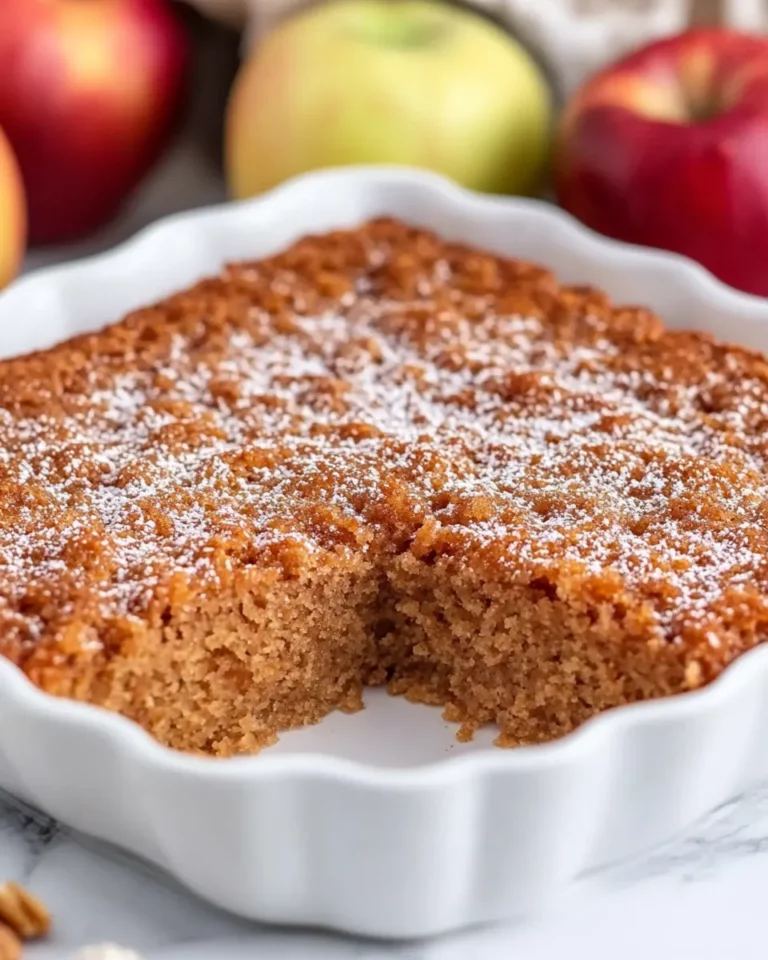

There’s something undeniably magical about the flaky, buttery layers of a freshly baked croissant. Whether enjoyed straight from the oven or paired with a cup of coffee, these pastries bring a touch of elegance to any breakfast or brunch. Despite their reputation for being difficult to make, with a little patience and the right technique, anyone can master the art of homemade croissants. Let’s dive into this delightful recipe that will have you craving your own homemade croissants in no time.
What You’ll Love About This Recipe

This croissant recipe is designed to guide you through the process of creating perfectly flaky and buttery pastries right at home. You’ll love how the dough comes together, the delightful aroma that fills your kitchen while they bake, and the satisfaction of pulling apart a warm croissant to reveal its tender, airy interior. Plus, the recipe uses accessible ingredients that you likely already have in your pantry, making it both practical and rewarding.
Ingredient Breakdown
To create these heavenly croissants, you’ll need the following ingredients:
- 1 cup whole milk (303 grams, lukewarm at 100-110°F) – This creates a rich base for the dough.
- 2 teaspoons active dry yeast (7 grams, or 1 envelope) – Essential for the dough to rise and develop texture.
- 3 tablespoons granulated sugar (38 grams) – Adds a hint of sweetness to the croissants.
- 1 teaspoon kosher salt (5 grams) – Balances the flavors in the dough.
- 3 tablespoons unsalted butter (42 grams, room temperature, or ½ stick) – Provides flavor and tenderness.
- 3 cups all-purpose flour (440 grams) – The foundation of your croissant dough.
- 1 cup unsalted butter (283 grams, room temperature, or 2 sticks, European-style recommended) – This is crucial for the lamination process, creating those flaky layers.
- 1 large egg (50 grams) – Used for egg wash to give your croissants a beautiful golden color.
Kitchen Gear Checklist
Before you start baking, make sure you have the following tools on hand:
- Mixing bowls – For combining your ingredients.
- Rolling pin – Essential for rolling out your dough.
- Parchment paper – To line your baking sheets and prevent sticking.
- Baking sheets – For placing the croissants while they rise and bake.
- Pastry brush – To apply the egg wash for a shiny finish.
- Kitchen thermometer – For ensuring your milk is at the right temperature for yeast activation.
Croissants Cooking Guide

Now that you have everything prepared, let’s get into the step-by-step process of making croissants.
Step 1: Prepare the Yeast Mixture
In a small bowl, combine the lukewarm whole milk and active dry yeast. Stir gently and let it sit for about 5-10 minutes until it becomes frothy, indicating that the yeast is active.
Step 2: Mix the Dough
In a large mixing bowl, combine the sugar, salt, and room temperature butter. Use a whisk or spatula to cream the mixture until smooth. Then, add the frothy yeast mixture and gradually incorporate the all-purpose flour. Mix until a rough dough forms.
Step 3: Knead the Dough
Transfer the dough to a lightly floured surface and knead for about 5-7 minutes until it’s smooth and elastic. Form it into a ball and place it in a greased bowl, covering it with a damp cloth. Allow it to rise in a warm place for about 1-2 hours, or until it doubles in size.
Step 4: Prepare the Butter Block
While the dough is rising, prepare the butter block. Place the 1 cup of room temperature unsalted butter between two sheets of parchment paper. Using a rolling pin, pound and roll the butter into a rectangle about 1/2 inch thick. Chill the butter block in the refrigerator while the dough rises.
Step 5: Laminate the Dough
Once the dough has risen, punch it down and roll it into a rectangle about 1/2 inch thick on a lightly floured surface. Place the chilled butter block in the center of the dough, folding the edges over to encase the butter completely. Roll it out gently into a larger rectangle, then fold it into thirds like a letter. This is your first turn. Wrap the dough in plastic wrap and refrigerate for 30 minutes.
Step 6: Repeat the Folding Process
Remove the dough from the refrigerator and roll it out again into a rectangle. Fold it into thirds for a second turn, refrigerate for another 30 minutes, and repeat this process for a total of four folds. This creates the flaky layers that croissants are famous for.
Step 7: Shape the Croissants
After the final fold, roll the dough out into a large rectangle, about 1/4 inch thick. Cut the dough into triangles, with the base measuring about 4 inches wide. Starting from the base of each triangle, roll the dough up toward the tip, creating a crescent shape. Place the shaped croissants on lined baking sheets.
Step 8: Second Rise
Cover the shaped croissants with a damp cloth and let them rise for another hour until they have puffed up noticeably.
Step 9: Preheat the Oven
While the croissants are rising, preheat your oven to 400°F (200°C).
Step 10: Egg Wash and Bake
Before baking, beat the large egg and brush it over the tops of the croissants for a beautiful golden finish. Bake the croissants for 15-20 minutes, or until they are golden brown and flaky.
Step 11: Cool and Enjoy
Once baked, let them cool on a wire rack for a few minutes. Enjoy your homemade croissants warm, or store them for later!
No-Store Runs Needed

One of the best parts about making croissants is that the ingredients are typically pantry staples. You won’t need to make any special trips to the store. Here’s what you might already have on hand:
- All-purpose flour
- Granulated sugar
- Kosher salt
- Unsalted butter
- Active dry yeast
Frequent Missteps to Avoid
Creating the perfect croissant can be challenging, but here are some common mistakes to watch out for:
- Not allowing the dough to rise fully can lead to dense croissants.
- Using cold butter during the lamination process will not create the desired flaky layers.
- Skipping the chilling times between folds can result in a dough that becomes too warm and sticky.
- Not rolling the dough evenly can lead to uneven layers and inconsistent baking.
Leftovers & Meal Prep
If you happen to have leftover croissants (which is rare!), they can be stored in an airtight container at room temperature for a couple of days. For longer storage, freeze them tightly wrapped in plastic wrap and then in a freezer bag for up to 2 months. To reheat, simply pop them in a preheated oven at 350°F (175°C) for a few minutes until warm.
Common Questions
Can I use whole wheat flour instead of all-purpose flour?
While you can substitute whole wheat flour, it may alter the texture and rise of your croissants. For the best results, stick with all-purpose flour.
What can I fill my croissants with?
You can fill your croissants with a variety of ingredients such as almond paste, chocolate, or even savory fillings like ham and cheese for a delicious twist.
How can I tell when my croissants are done baking?
Your croissants should be a deep golden brown and sound hollow when tapped on the bottom. If they are still pale, give them a few more minutes in the oven.
Can I make the dough ahead of time?
Yes! You can prepare the dough and shape the croissants, then refrigerate them overnight before baking. Just allow them to rise at room temperature before baking.
If you enjoyed making croissants, you might also love these recipes:
See You at the Table
Baking croissants at home is a rewarding experience that fills your kitchen with warmth and delightful aromas. With this guide, you are well on your way to impressing friends and family with your bakery-style croissants. Gather your ingredients, roll up your sleeves, and get ready to enjoy the fruits of your labor in the form of buttery, flaky pastries that are sure to become a family favorite.
Croissants
Ingredients
Equipment
Method
- In a small bowl, combine the lukewarm whole milk and active dry yeast. Stir gently and let it sit for about 5-10 minutes until it becomes frothy.
- In a large mixing bowl, combine the sugar, salt, and room temperature butter. Cream the mixture until smooth, then add the frothy yeast mixture and gradually incorporate the flour.
- Transfer the dough to a lightly floured surface and knead for about 5-7 minutes until smooth and elastic. Form into a ball, place in a greased bowl, and cover with a damp cloth. Let rise for 1-2 hours until doubled.
- Prepare the butter block by placing the 1 cup of butter between parchment paper. Pound and roll into a rectangle about 1/2 inch thick. Chill while dough rises.
- Once the dough has risen, punch it down and roll into a rectangle. Place the chilled butter block in the center, fold edges to encase it, and roll out gently. Fold into thirds like a letter and refrigerate for 30 minutes.
- Repeat the folding process: roll out, fold into thirds, and refrigerate for another 30 minutes. Do this for a total of four folds.
- After the final fold, roll the dough into a rectangle about 1/4 inch thick. Cut into triangles, rolling each from the base to the tip to shape into croissants. Place on lined baking sheets.
- Cover with a damp cloth and let rise for another hour until puffed up.
- Preheat your oven to 400°F (200°C) while the croissants are rising.
- Brush the tops of the croissants with beaten egg for a golden finish, then bake for 15-20 minutes until golden brown and flaky.
- Let the croissants cool on a wire rack for a few minutes before enjoying warm.
Notes
- Ensure the butter remains at a cool temperature during the lamination process for the best layers.
- Store leftovers in an airtight container for up to 2 days or freeze for up to 2 months.
- For a savory twist, consider filling croissants with cheese or ham before baking.