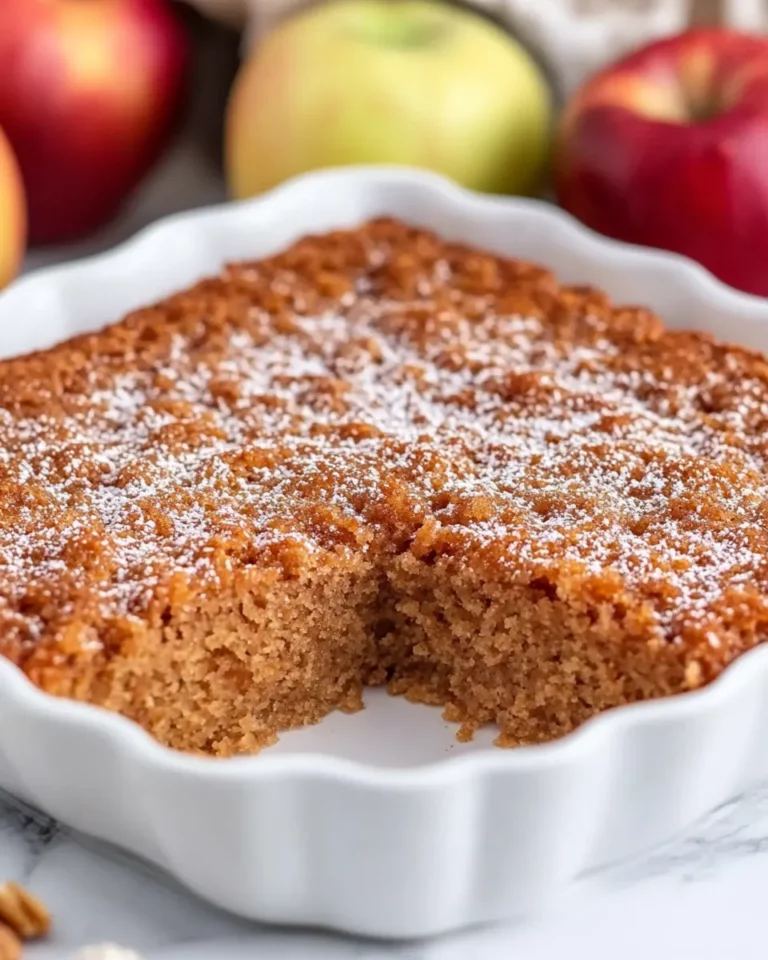

Lemon Pound Cake with Lemon Glaze is a delightful treat that captures the essence of bright citrus flavors in every bite. This cake combines a rich buttery texture with a sweet and tangy glaze, making it perfect for any occasion. Whether you’re enjoying a quiet afternoon at home or celebrating a special event, this lemon pound cake will surely impress your family and friends. Let’s dive into why this cake deserves a spot in your baking repertoire.
Why Lemon Pound Cake with Lemon Glaze is Worth Your Time

Lemon Pound Cake is not just any ordinary dessert; it’s a classic that brings a sense of nostalgia and comfort. The beauty of this cake lies in its simplicity yet sophisticated taste. The buttery richness pairs perfectly with the bright, zesty notes of lemon, making it a refreshing treat. The addition of a zesty lemon glaze elevates the cake, creating a beautiful, shiny finish that is as pleasing to the eye as it is to the palate. Plus, this recipe requires just a handful of ingredients that you likely already have in your pantry, making it an accessible choice for both novice and seasoned bakers.
Ingredient Checklist
To create this scrumptious Lemon Pound Cake with Lemon Glaze, gather the following ingredients:
- 1 cup butter, softened
- 2 cups sugar
- 4 eggs
- 3 cups all-purpose flour
- __ teaspoon baking powder
- __ teaspoon baking soda
- __ teaspoons salt
- __ cup buttermilk
- 1 tablespoon lemon zest, freshly grated
- 1 tablespoon lemon juice
- 1 cup powdered sugar
- 2 teaspoons lemon juice
- 1-2 tablespoons milk
Make sure to measure your ingredients accurately for the best results!
Gear Checklist
Before you start baking, gather these essential tools:
- Mixing Bowls: You’ll need large bowls for mixing the batter.
- Measuring Cups and Spoons: Precision is key in baking.
- Electric Mixer: A stand or hand mixer will make creaming the butter and sugar easier.
- Loaf Pan: A standard 9×5 inch loaf pan is ideal for this recipe.
- Cooling Rack: To cool the cake properly after baking.
Lemon Pound Cake with Lemon Glaze in Steps

Now, let’s get baking! Follow these simple steps to create your Lemon Pound Cake with Lemon Glaze.
Step 1: Preheat Your Oven
Preheat your oven to 350°F (175°C). This ensures that your cake bakes evenly.
Step 2: Prepare Your Loaf Pan
Grease your loaf pan with butter or line it with parchment paper for easy removal later.
Step 3: Cream the Butter and Sugar
In a large mixing bowl, beat the softened butter and sugar together using your electric mixer on medium speed until the mixture is light and fluffy. This should take about 3 to 5 minutes.
Step 4: Add the Eggs
Add the eggs one at a time, mixing well after each addition. Make sure to scrape down the sides of the bowl to ensure everything is fully incorporated.
Step 5: Combine the Dry Ingredients
In a separate bowl, whisk together the flour, baking powder, baking soda, and salt. Gradually add the dry ingredients to the butter mixture, alternating with the buttermilk. Start and end with the flour mixture. Mix until just combined.
Step 6: Add Lemon Zest and Juice
Gently fold in the lemon zest and lemon juice, ensuring they are evenly distributed throughout the batter.
Step 7: Pour into the Pan
Pour the batter into the prepared loaf pan and level the top with a spatula.
Step 8: Bake
Bake in the preheated oven for 60-70 minutes, or until a toothpick inserted into the center comes out clean. Check your cake around the 55-minute mark to prevent overbaking.
Step 9: Cool in the Pan
Once baked, remove the cake from the oven and let it cool in the pan for about 10-15 minutes. Then, transfer it to a cooling rack to cool completely.
Step 10: Make the Lemon Glaze
In a small bowl, whisk together the powdered sugar, lemon juice, and enough milk to reach your desired consistency. Drizzle the glaze over the cooled cake, allowing it to set before slicing.
Year-Round Variations

This Lemon Pound Cake with Lemon Glaze is versatile and can be adapted to suit different tastes and seasons. Consider trying these variations:
- Add poppy seeds for a delightful crunch and visual appeal.
- Incorporate fresh blueberries or raspberries for a fruity twist.
- Substitute half of the all-purpose flour with almond flour for a nuttier flavor.
- Try adding a touch of vanilla extract for an extra layer of flavor.
Notes on Ingredients
The quality of your ingredients can significantly impact the final result. For the best lemon flavor, use fresh lemons for zest and juice. If you don’t have buttermilk on hand, you can make a quick substitute by adding one tablespoon of vinegar or lemon juice to a cup of milk, letting it sit for 5-10 minutes.
Store, Freeze & Reheat
To store your Lemon Pound Cake, wrap it tightly in plastic wrap and keep it at room temperature for up to 3 days. For longer storage, you can freeze the cake. Wrap it tightly in plastic wrap and aluminum foil, and it will last for up to 3 months in the freezer. To reheat, simply let it thaw at room temperature or microwave individual slices for a few seconds until warmed through.
Top Questions & Answers
Can I use salted butter instead of unsalted butter?
Yes, you can use salted butter, but consider reducing the amount of added salt in the recipe to balance the flavors.
What can I substitute for buttermilk?
You can use regular milk with a tablespoon of vinegar or lemon juice added, or plain yogurt thinned with a little milk.
How do I know when my cake is done?
The cake is done when a toothpick inserted in the center comes out clean or with a few crumbs attached. If it comes out wet with batter, it needs more time.
Can I add frosting instead of glaze?
Absolutely! If you prefer a richer frosting, you can use a cream cheese frosting instead of the glaze for a decadent finish.
Ready to Cook?
With its buttery texture and refreshing lemon flavor, this Lemon Pound Cake with Lemon Glaze is sure to become a favorite in your home. Whether served with a cup of tea or as a dessert at a family gathering, it’s a cake that celebrates the simple joys of baking. So gather your ingredients, roll up your sleeves, and enjoy the process of creating this delightful treat!
Lemon Pound Cake with Lemon Glaze
Ingredients
Equipment
Method
- Step 1: Preheat Your OvenPreheat your oven to 350°F (175°C). This ensures that your cake bakes evenly.
- Step 2: Prepare Your Loaf PanGrease your loaf pan with butter or line it with parchment paper for easy removal later.
- Step 3: Cream the Butter and SugarIn a large mixing bowl, beat the softened butter and sugar together using your electric mixer on medium speed until the mixture is light and fluffy. This should take about 3 to 5 minutes.
- Step 4: Add the EggsAdd the eggs one at a time, mixing well after each addition. Make sure to scrape down the sides of the bowl to ensure everything is fully incorporated.
- Step 5: Combine the Dry IngredientsIn a separate bowl, whisk together the flour, baking powder, baking soda, and salt. Gradually add the dry ingredients to the butter mixture, alternating with the buttermilk. Start and end with the flour mixture. Mix until just combined.
- Step 6: Add Lemon Zest and JuiceGently fold in the lemon zest and lemon juice, ensuring they are evenly distributed throughout the batter.
- Step 7: Pour into the PanPour the batter into the prepared loaf pan and level the top with a spatula.
- Step 8: BakeBake in the preheated oven for 60-70 minutes, or until a toothpick inserted into the center comes out clean. Check your cake around the 55-minute mark to prevent overbaking.
- Step 9: Cool in the PanOnce baked, remove the cake from the oven and let it cool in the pan for about 10-15 minutes. Then, transfer it to a cooling rack to cool completely.
- Step 10: Make the Lemon GlazeIn a small bowl, whisk together the powdered sugar, lemon juice, and enough milk to reach your desired consistency. Drizzle the glaze over the cooled cake, allowing it to set before slicing.
Notes
- For the best flavor, use fresh lemons for zest and juice.
- If you don't have buttermilk, make a substitute using milk with vinegar or lemon juice.
- Wrap the cake tightly in plastic wrap for storage; it lasts up to 3 days at room temperature.