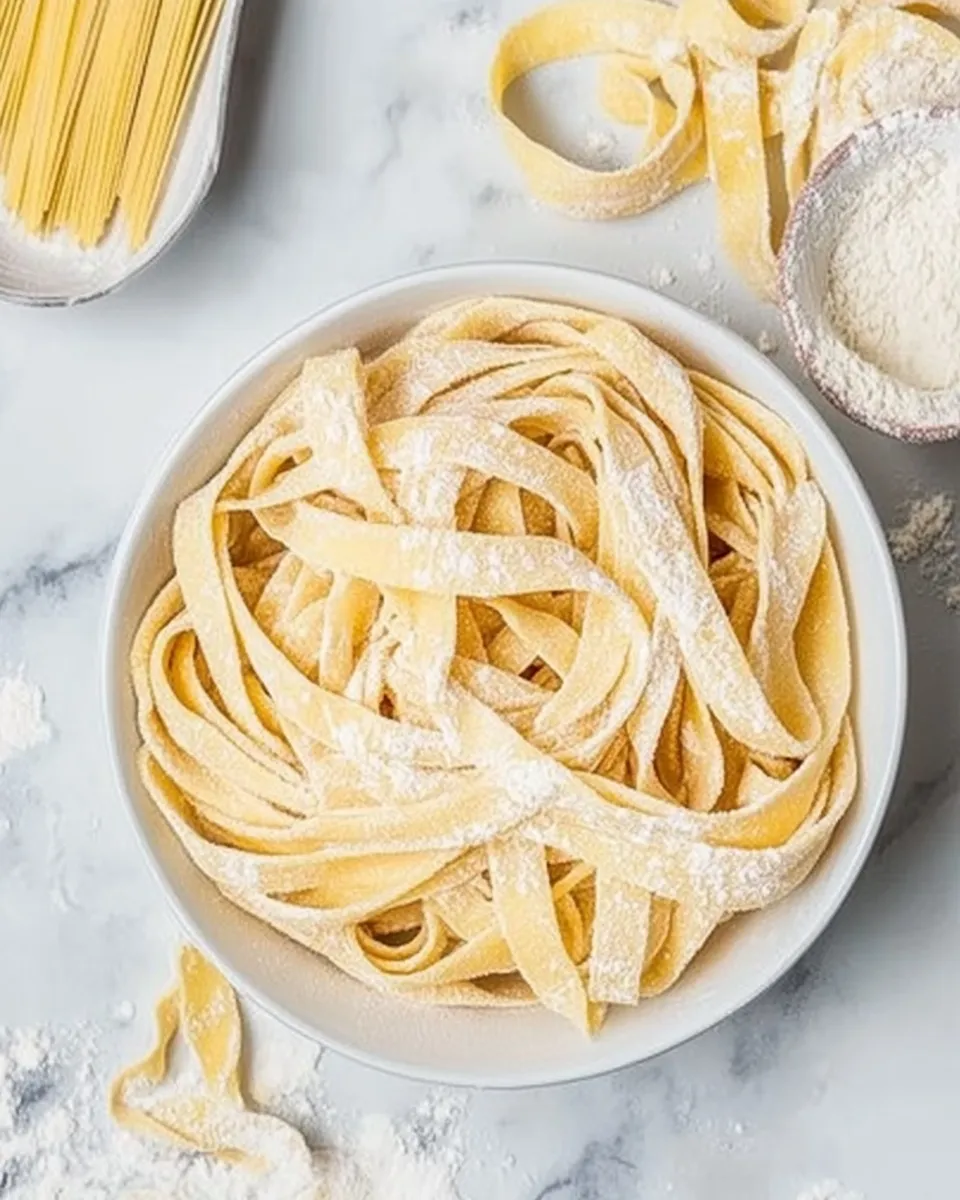
Making homemade pasta is a delightful culinary adventure that brings a taste of Italy right into your kitchen. The beauty of fresh pasta is not only in its texture but also in its ability to absorb flavors from sauces, making every bite a comforting experience. With just a few simple ingredients—four large eggs and flour—you can create pasta that is far superior to anything you can buy in a store. Let’s dive into how to make homemade pasta that will impress your family and friends.
Why This Recipe Works
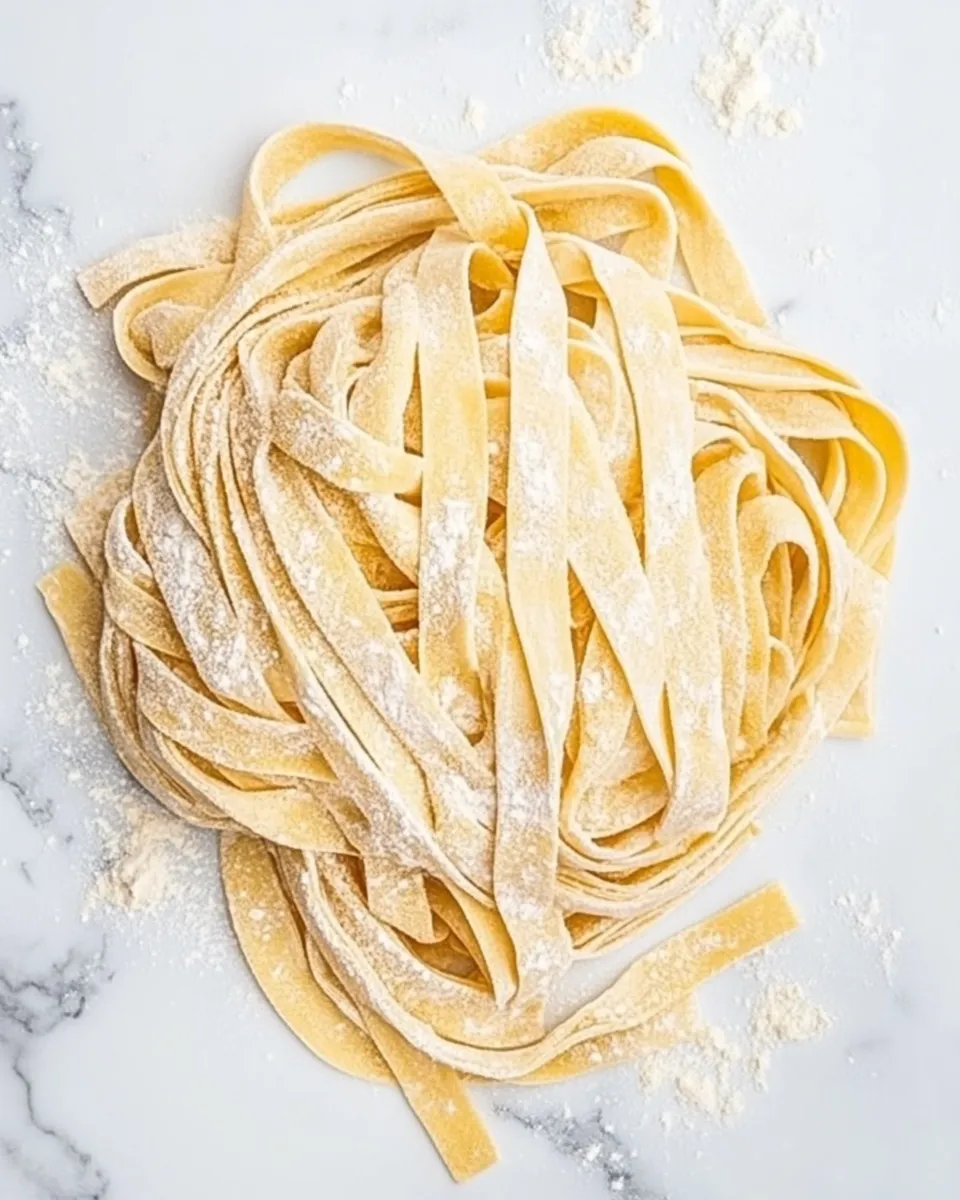
This recipe works because it uses a straightforward ratio of eggs to flour, allowing you to create a rich dough that is both pliable and flavorful. The eggs provide moisture and structure, while the flour adds the necessary gluten for elasticity. By using high-quality organic eggs and 00 flour or all-purpose flour, you ensure that your pasta will have the best possible flavor and texture. This method is traditional yet adaptable, making it suitable for various shapes and sizes of pasta.
The Ingredient Lineup
To make the perfect homemade pasta, you will need the following ingredients:
- 4 large eggs (preferably organic, at least 70g/2.5 oz each)
- 400g flour (00 flour or all-purpose flour, about 3.2 US cups)
These two ingredients may seem simple, but they are the foundation of a beautiful pasta dish.
Essential Tools for Success
Having the right tools can make a big difference when making pasta. Here’s what you’ll need:
- Large mixing bowl: For mixing the dough.
- Rolling pin or pasta machine: For rolling out the dough to your desired thickness.
- Sharp knife or pasta cutter: For cutting the pasta into shapes.
- Flour for dusting: To prevent sticking during rolling and cutting.
Having these tools ready will streamline your pasta-making process and ensure a successful outcome.
How To Make Homemade Pasta: How It’s Done
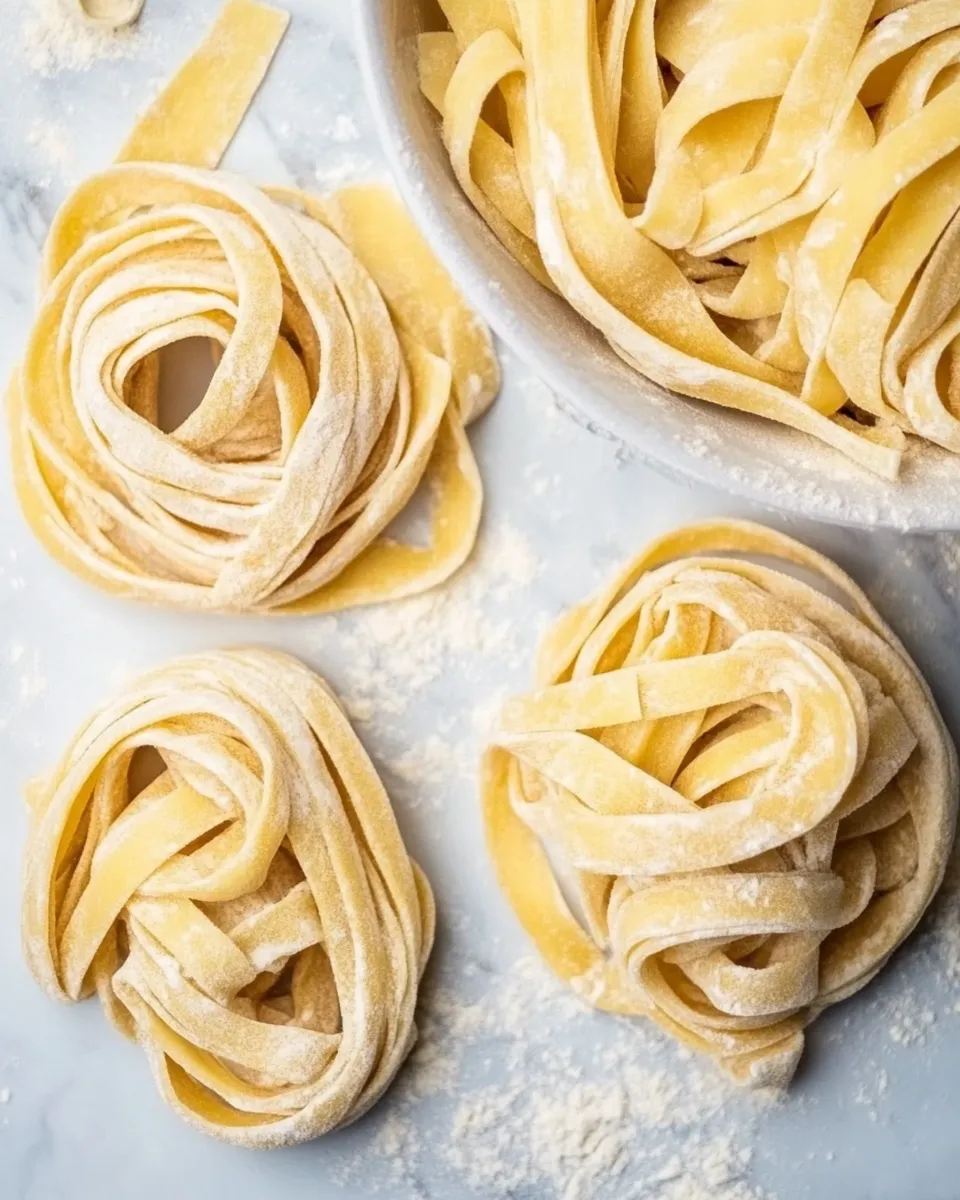
Making homemade pasta is a step-by-step process that is both fun and rewarding. Follow these instructions to create your own fresh pasta.
Step 1: Prepare the Dough
Begin by creating a mound of flour on a clean surface or in a large mixing bowl. Make a well in the center of the flour and crack the four eggs into the well. Use a fork to beat the eggs gently, gradually incorporating the flour from the edges of the well until a shaggy dough forms.
Step 2: Knead the Dough
Once the dough comes together, knead it with your hands for about 8-10 minutes until it’s smooth and elastic. If the dough is sticky, sprinkle a little more flour as needed. Cover the dough with plastic wrap or a clean kitchen towel and let it rest for at least 30 minutes. This resting period allows the gluten to relax, making it easier to roll out.
Step 3: Roll Out the Dough
After the dough has rested, divide it into four pieces to make it easier to work with. Flatten one piece slightly with your hands and then use a rolling pin or pasta machine to roll it out to your desired thickness. Aim for a thickness of about 1-2 mm. Dust the dough lightly with flour to prevent sticking as you roll.
Step 4: Cut the Pasta
Once rolled out, you can cut the pasta into your desired shape. For fettuccine, roll the sheet loosely and cut it into strips. For tagliatelle or lasagna, simply cut to your preferred size. Dust the cut pasta with flour to prevent sticking while you work with the remaining dough.
Step 5: Cook the Pasta
Bring a large pot of salted water to a boil. Fresh pasta cooks quickly, usually in about 2-4 minutes, depending on the thickness. Taste a piece to determine if it’s done to your liking. Drain and toss with your favorite sauce, like Creamy Parmesan Chicken Wild Mushroom Fettuccine or Creamy Tomato Vodka Penne With Burrata Clouds.
Vegan & Vegetarian Swaps
If you’re looking to make vegan or vegetarian pasta, consider these substitutions:
- Flaxseed meal: Use 1 tablespoon of flaxseed meal mixed with 2.5 tablespoons of water as a substitute for each egg.
- Chickpea flour: Combine with water to create a dough similar to traditional pasta.
These alternatives can help you enjoy homemade pasta while accommodating different dietary preferences.
Troubleshooting Tips
Even the best chefs face challenges in the kitchen. Here are some troubleshooting tips for your pasta-making journey:
- If your dough is too dry, add a little water, one teaspoon at a time, until it comes together.
- If your dough is too sticky, sprinkle in more flour gradually until it’s manageable.
- For a smoother pasta texture, ensure you knead the dough thoroughly.
With these tips, you can overcome common issues and create beautiful pasta every time.
Storage & Reheat Guide
If you have leftover pasta or want to prepare it in advance, here’s how to store and reheat it:
Fresh pasta can be stored in the refrigerator for up to 2 days. To freeze, lay the pasta in a single layer on a baking sheet until frozen, then transfer to a freezer bag for up to 2 months. To reheat, boil frozen pasta directly in salted water for a few extra minutes until cooked through. For refrigerated pasta, simply add to boiling water for 1-2 minutes.
Common Questions
Can I make the pasta dough ahead of time?
Absolutely! You can prepare the dough a day in advance. Just wrap it tightly in plastic wrap and refrigerate. Let it come to room temperature for about 30 minutes before rolling out.
Why is my pasta dough crumbly?
A crumbly dough usually indicates that there is not enough moisture. Try adding an extra egg or a small amount of water to bring it together.
What is the difference between 00 flour and all-purpose flour?
00 flour is a finely milled Italian flour that has a higher protein content, making it ideal for pasta. All-purpose flour can also be used but may yield a slightly different texture.
Can I use a pasta machine instead of a rolling pin?
Yes! A pasta machine can make the process easier and help achieve a uniform thickness. Just follow the instructions for your specific machine.
If you loved learning , you might also enjoy these delicious recipes:
Next Steps
Now that you’ve mastered the art of homemade pasta, it’s time to experiment with different shapes, fillings, and sauces! Try making ravioli, tortellini, or a simple spaghetti dish with your favorite toppings. The possibilities are endless, and each batch will get you one step closer to pasta perfection. Enjoy your culinary journey and the delightful taste of fresh pasta made right at home!
How To Make Homemade Pasta
Ingredients
Equipment
Method
- Step 1: Prepare the Dough - Create a mound of flour on a clean surface or in a large mixing bowl. Make a well in the center and crack the eggs into it. Beat the eggs gently with a fork, incorporating the flour until a shaggy dough forms.
- Step 2: Knead the Dough - Knead the dough for about 8-10 minutes until smooth and elastic. If sticky, sprinkle with more flour. Cover and let rest for at least 30 minutes.
- Step 3: Roll Out the Dough - Divide the dough into four pieces. Roll out each piece to your desired thickness, dusting lightly with flour.
- Step 4: Cut the Pasta - Cut the rolled dough into your desired shape, dusting with flour to prevent sticking.
- Step 5: Cook the Pasta - Boil salted water, add the pasta, and cook for 2-4 minutes. Drain and toss with your favorite sauce.
Notes
- Use high-quality organic eggs for the best flavor.
- Let the dough rest to relax the gluten for easier rolling.
- Experiment with different pasta shapes and sauces for variety.