
There’s something undeniably indulgent about a plate of creamy Alfredo spaghetti. With its rich flavors and silky texture, this dish transforms a simple meal into a culinary delight. Perfect for family dinners or special occasions, it’s a classic that has stood the test of time. If you’ve ever craved a plate of pasta that wraps you in warmth and comfort, look no further. This Alfredo spaghetti recipe is not just easy to prepare; it’s also deeply satisfying and sure to impress your guests.
Why It’s Crowd-Pleasing
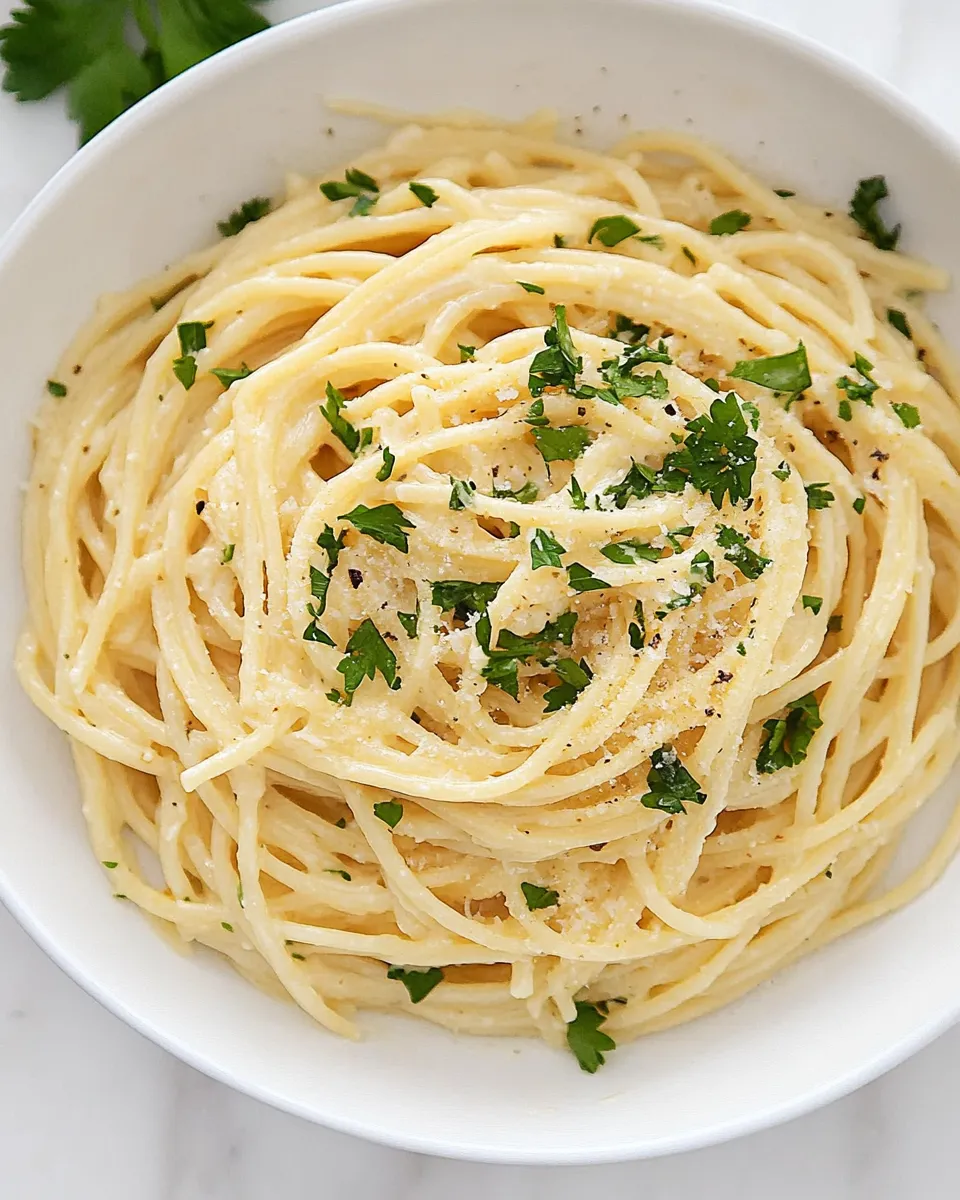
Alfredo spaghetti is more than just pasta; it’s a celebration of flavor and texture. The creamy sauce envelops the spaghetti, creating a luscious coating that clings beautifully to each strand. With the fragrant notes of garlic and the richness of Parmesan cheese, every bite is a taste sensation. This dish is versatile, allowing for various additions like grilled chicken or sautéed vegetables. It appeals to both pasta lovers and those seeking a creamy, comforting dish, making it a true crowd-pleaser.
What We’re Using
To make this delectable Alfredo spaghetti, gather the following ingredients:
- 10 ounces dry spaghetti
- 4 tablespoons unsalted butter
- 2 garlic cloves, minced
- 1 1/2 cups heavy cream
- Kosher salt to taste
- 1/4 teaspoon black pepper
- 1/2 cup reserved pasta water (optional)
- 2/3 cup freshly grated Parmesan cheese
- Fresh parsley, chopped (for garnish)
Each ingredient plays a crucial role in achieving the perfect Alfredo sauce. The butter and cream create the base, while the garlic adds depth and aroma. Grating your Parmesan fresh ensures a smooth melt, resulting in a velvety sauce that clings beautifully to the spaghetti.
Hardware & Gadgets
Before diving into the cooking process, ensure you have the following kitchen tools on hand:
- Large pot – for boiling the spaghetti
- Skillet – to prepare the Alfredo sauce
- Measuring cups and spoons – for accurate ingredient measurements
- Wooden spoon – for stirring
- Grater – to grate the Parmesan cheese
- Colander – for draining the pasta
Having the right tools will make your cooking experience smoother and more enjoyable, ensuring that your Alfredo spaghetti turns out perfectly every time.
Mastering Alfredo Spaghetti: How-To
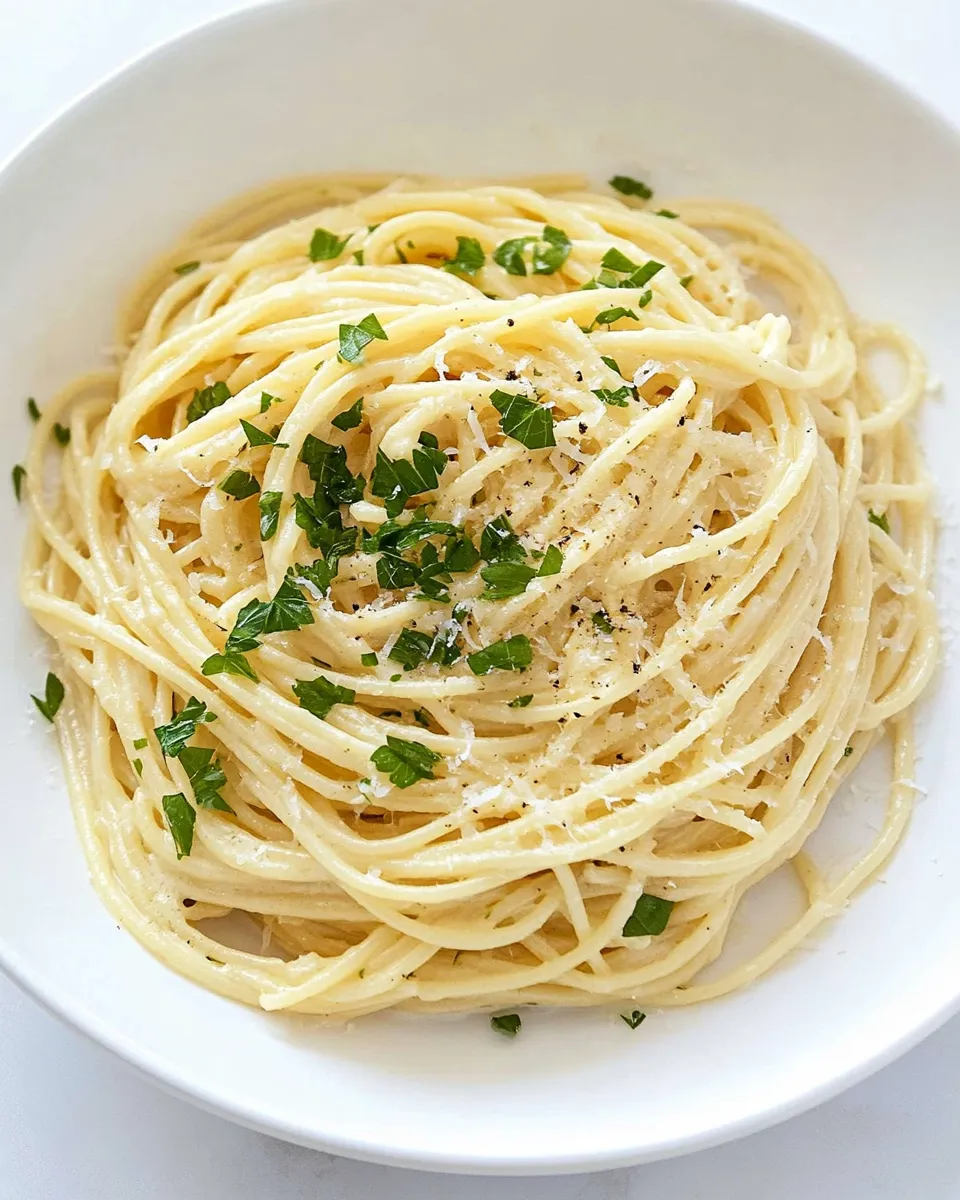
Ready to make your Alfredo spaghetti? Follow these simple steps to create a dish that will have everyone coming back for seconds.
Step 1: Cook the Spaghetti
Begin by bringing a large pot of salted water to a boil. Add the dry spaghetti and cook according to the package instructions until al dente. This usually takes about 8 to 10 minutes. Once cooked, reserve 1/2 cup of the pasta water, then drain the spaghetti in a colander and set it aside.
Step 2: Prepare the Alfredo Sauce
In a large skillet over medium heat, melt the 4 tablespoons of unsalted butter. Add the minced garlic and sauté for about 1 minute until fragrant, being careful not to burn it.
Step 3: Add Cream and Seasonings
Next, pour in the heavy cream, stirring well to combine. Allow the mixture to come to a gentle simmer. Season with Kosher salt and black pepper to taste. Let the sauce simmer for about 5 minutes, stirring occasionally until it thickens slightly.
Step 4: Incorporate the Cheese
Remove the skillet from heat and gradually whisk in the freshly grated Parmesan cheese until fully melted and incorporated. If the sauce is too thick, you can add a bit of the reserved pasta water to reach your desired consistency.
Step 5: Combine Pasta and Sauce
Add the cooked spaghetti to the skillet, tossing to coat each strand in the creamy Alfredo sauce. If needed, add more reserved pasta water to achieve the perfect creaminess.
Step 6: Serve and Garnish
Divide the Alfredo spaghetti among plates and garnish with chopped fresh parsley for a pop of color and freshness. Serve immediately and watch as your guests enjoy every last bite!
Variations for Dietary Needs
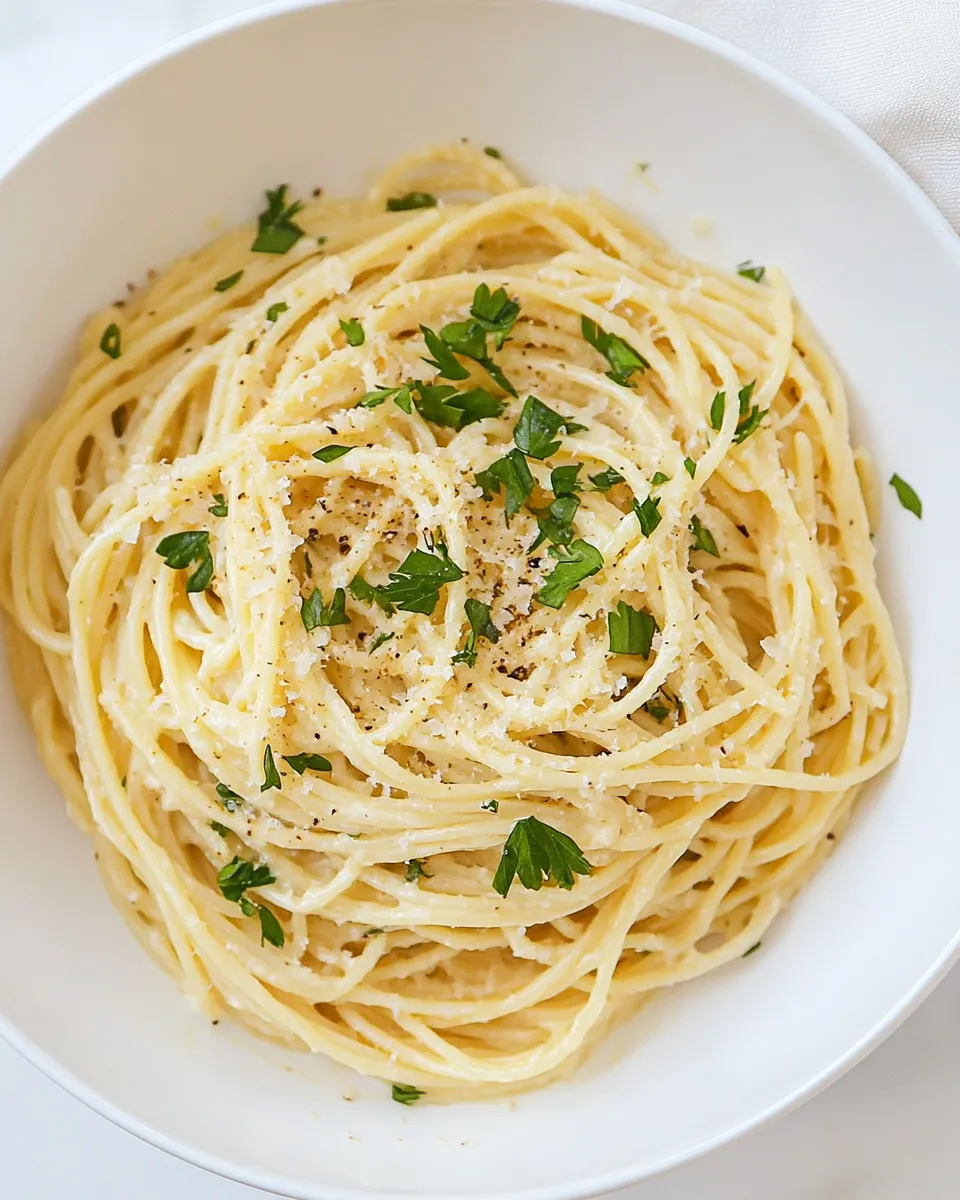
If you’re looking to customize your Alfredo spaghetti, consider these variations:
- Gluten-Free: Substitute regular spaghetti with gluten-free pasta.
- Vegan: Use a plant-based butter, coconut cream, and nutritional yeast instead of cheese.
- Protein-Packed: Add grilled chicken or shrimp for a hearty meal. Check out recipes like Creamy Chicken Alfredo Stuffed Shells for inspiration.
- Vegetarian: Incorporate sautéed vegetables like spinach, mushrooms, or broccoli.
These variations ensure that everyone can enjoy a delicious bowl of Alfredo spaghetti tailored to their dietary preferences.
What Could Go Wrong
While this recipe is straightforward, there are a few common pitfalls to watch out for:
- Overcooked Pasta: Make sure to watch your spaghetti carefully while it cooks to avoid mushiness. Al dente is key!
- Burnt Garlic: Garlic can turn bitter if overcooked. Sauté it just until fragrant.
- Clumpy Sauce: If your cheese doesn’t melt smoothly, it may be due to adding it too quickly. Gradually whisk it in for a creamy result.
- Too Thick Sauce: If your sauce becomes too thick, simply add a bit more reserved pasta water to loosen it up.
By being aware of these potential issues, you can ensure your Alfredo spaghetti is a success.
Storing, Freezing & Reheating
If you happen to have leftovers (which is rare, but possible!), here’s how to store and reheat your Alfredo spaghetti:
- Storing: Place leftovers in an airtight container in the refrigerator for up to 3 days.
- Freezing: Alfredo spaghetti can be frozen for up to 2 months. Store it in a freezer-safe container, but be aware that the texture may change slightly upon thawing.
- Reheating: Reheat leftovers in a skillet over medium heat, adding a splash of milk or reserved pasta water to restore creaminess.
By following these guidelines, you can enjoy your Alfredo spaghetti even after the initial meal.
Reader Questions
Can I use a different type of cheese in the Alfredo sauce?
Absolutely! While Parmesan is traditional for Alfredo sauce, you can experiment with other cheeses like Pecorino Romano or even a blend of creamy cheeses for a different flavor profile.
Is it necessary to use heavy cream?
Heavy cream gives the sauce its rich texture, but you can substitute it with half-and-half or whole milk for a lighter version. Just keep in mind that the sauce may not be as thick and creamy.
How do I make this dish dairy-free?
For a dairy-free Alfredo spaghetti, use coconut cream or a cashew cream sauce, and nutritional yeast to mimic the cheesy flavor. You can also find dairy-free cheese alternatives.
What can I serve with Alfredo spaghetti?
Alfredo spaghetti pairs wonderfully with garlic bread, a fresh garden salad, or steamed vegetables. For an extra twist, try serving it with Creamy Garlic Shrimp Linguine With Lemon Zest for a delightful seafood complement.
Once you’ve mastered Alfredo spaghetti, why not try your hand at these delicious recipes?
Each of these dishes offers a unique twist while maintaining that comforting, creamy texture we all love.
Save & Share
If you enjoyed this Alfredo spaghetti recipe, don’t keep it to yourself! Share it with friends and family, or post it on your favorite social media platforms. Cooking is always better when you can share your creations with others.
This Alfredo spaghetti is sure to become a staple in your kitchen, providing comfort and satisfaction in every bite. Whether you’re hosting a dinner party or enjoying a quiet night in, this dish is the perfect way to indulge. Happy cooking!
Alfredo Spaghetti
Ingredients
Equipment
Method
- Step 1: Cook the Spaghetti - Bring a large pot of salted water to a boil. Add the dry spaghetti and cook according to the package instructions until al dente, about 8 to 10 minutes. Reserve 1/2 cup of pasta water, then drain and set aside.
- Step 2: Prepare the Alfredo Sauce - In a large skillet over medium heat, melt the unsalted butter. Add the minced garlic and sauté for about 1 minute until fragrant.
- Step 3: Add Cream and Seasonings - Pour in the heavy cream, stirring well. Season with Kosher salt and black pepper. Let simmer for about 5 minutes until slightly thickened.
- Step 4: Incorporate the Cheese - Remove from heat and whisk in the freshly grated Parmesan cheese until melted. Add pasta water if the sauce is too thick.
- Step 5: Combine Pasta and Sauce - Add the cooked spaghetti to the skillet and toss to coat in the sauce. Adjust creaminess with reserved pasta water if needed.
- Step 6: Serve and Garnish - Divide among plates and garnish with chopped fresh parsley. Serve immediately.
Notes
- Ensure to cook the spaghetti al dente for the best texture.
- Freshly grated Parmesan melts better than pre-grated cheese.
- For a lighter version, consider using half-and-half instead of heavy cream.