Almond butter is a delicious and nutritious alternative to traditional peanut butter, packed with healthy fats, protein, and a unique flavor that can elevate your favorite recipes. Making almond butter at home is not only easy but also allows you to control the ingredients, ensuring that you create a spread that meets your taste and dietary preferences. In this guide, we will explore how to make almond butter using just three cups of raw almonds, a touch of sea salt, and an optional neutral oil to achieve the perfect consistency. Get ready to enjoy a creamy, dreamy almond butter that’s perfect for spreading, dipping, or incorporating into your favorite dishes.
Top Reasons to Make How to Make Almond Butter
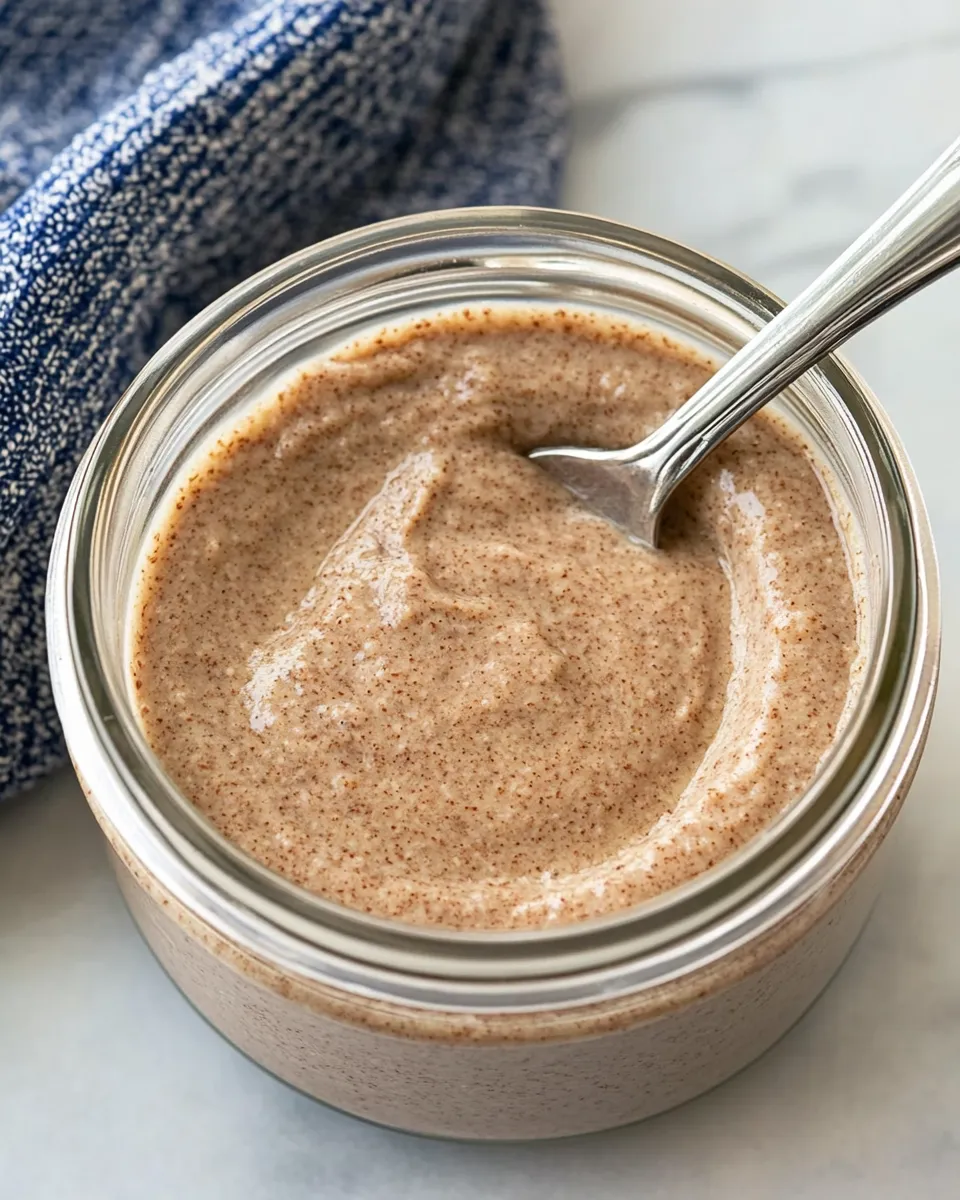
Making almond butter at home comes with a host of benefits. Here are some top reasons to try your hand at this nutty spread:
- Freshness: Homemade almond butter tastes fresher and richer than store-bought varieties.
- Customization: You can adjust the flavor by adding ingredients like honey, vanilla, or cocoa powder.
- No additives: By making your own almond butter, you avoid preservatives, sugars, and unhealthy oils often found in commercial products.
- Cost-effective: Buying almonds in bulk is usually cheaper than purchasing pre-made nut butters.
- Health benefits: Almond butter is packed with vitamin E, magnesium, and healthy fats, making it a nutritious choice.
Ingredient List
To make almond butter, you will need the following ingredients:
- 3 cups raw almonds
- Avocado oil or another neutral-tasting oil, such as grapeseed (as necessary)
- Sea salt, to taste
Tools & Equipment Needed
Before you start, gather these tools and equipment:
- High-powered blender or food processor: Necessary for blending the almonds into a smooth butter.
- Spatula: Useful for scraping down the sides of the blender or food processor.
- Measuring cups: To measure your ingredients accurately.
- Jar or container: For storing your homemade almond butter.
How to Make Almond Butter: From Prep to Plate
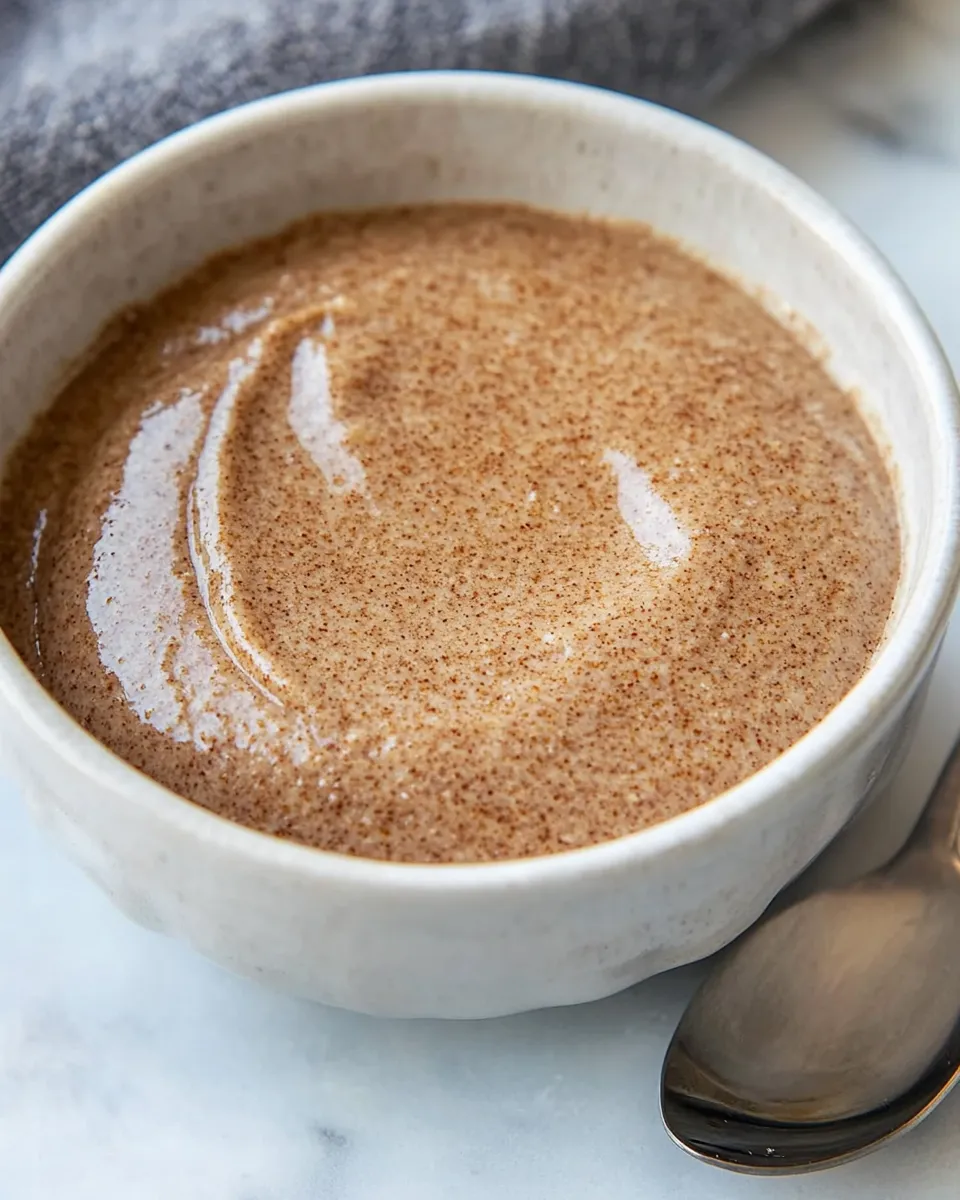
Now, let’s dive into the step-by-step process of making almond butter.
Step 1: Prepare the Almonds
Start by preheating your oven to 350°F (175°C). Spread the raw almonds evenly on a baking sheet and toast them in the oven for about 10-12 minutes. This step enhances the flavor and helps the oils release more easily during the blending process. Keep an eye on them to prevent burning!
Step 2: Blend the Almonds
Once the almonds are toasted and have cooled slightly, transfer them to your high-powered blender or food processor. Start blending on medium speed. At first, the almonds will turn into a coarse meal, but don’t worry—it will eventually transform into almond butter.
Step 3: Scrape and Continue Blending
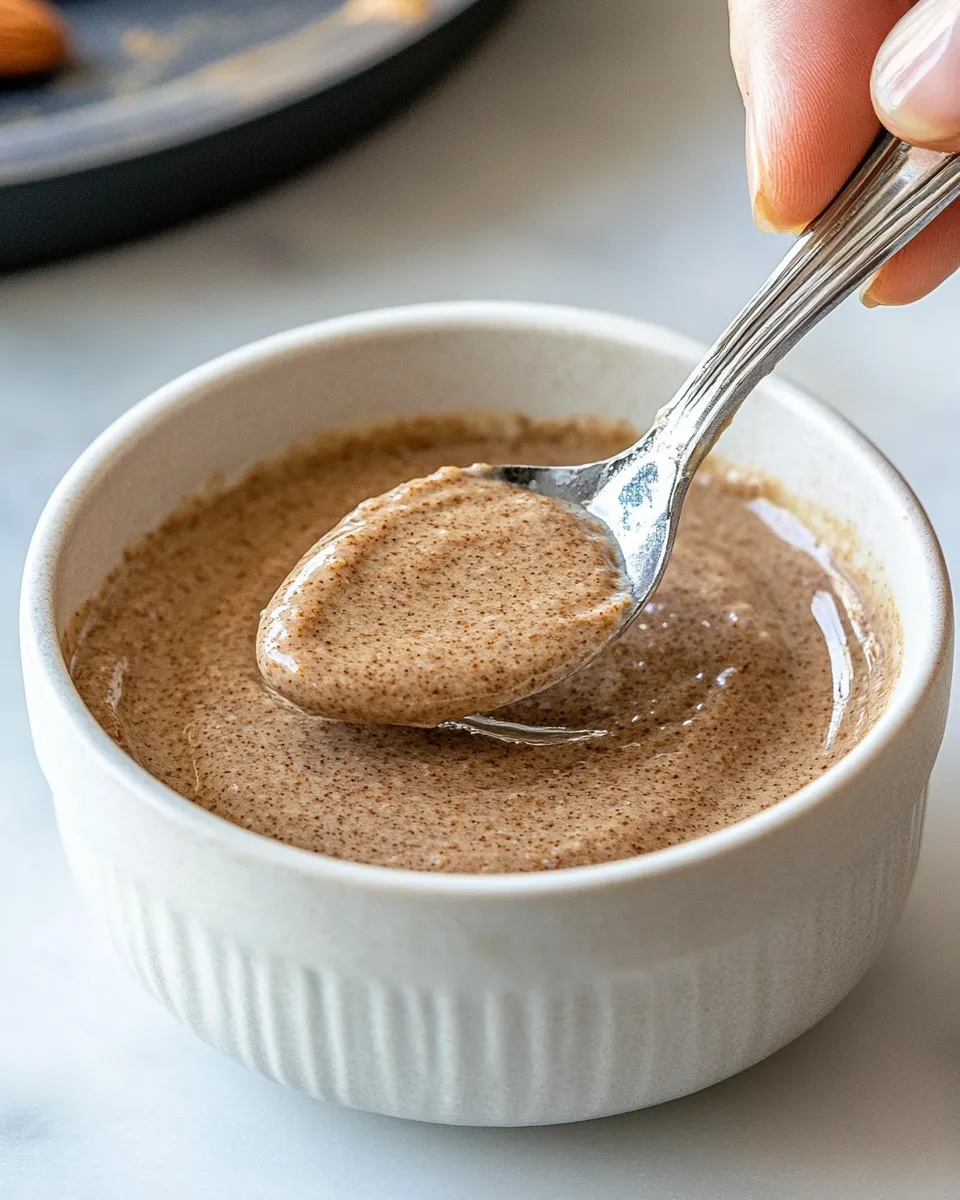
After a few minutes of blending, stop to scrape down the sides with a spatula. This ensures that all the almond pieces are evenly processed. Continue blending for another 5-10 minutes, stopping occasionally to scrape down the sides. You’ll notice the texture changing from a meal to a creamy butter.
Step 4: Add Oil and Salt
If your almond butter looks too thick, you can add a tablespoon of avocado oil or another neutral oil to help smooth it out. Blend again until fully incorporated. Taste your almond butter and add sea salt to your preference, blending one last time to mix it in well.
Step 5: Store and Enjoy
Transfer your almond butter into a clean jar or container. It can be stored in the refrigerator for up to two weeks. Enjoy it as a spread on toast, in smoothies, or even in recipes like Honey Sea Salt Peanut Butter for a delightful twist.
Better Choices & Swaps
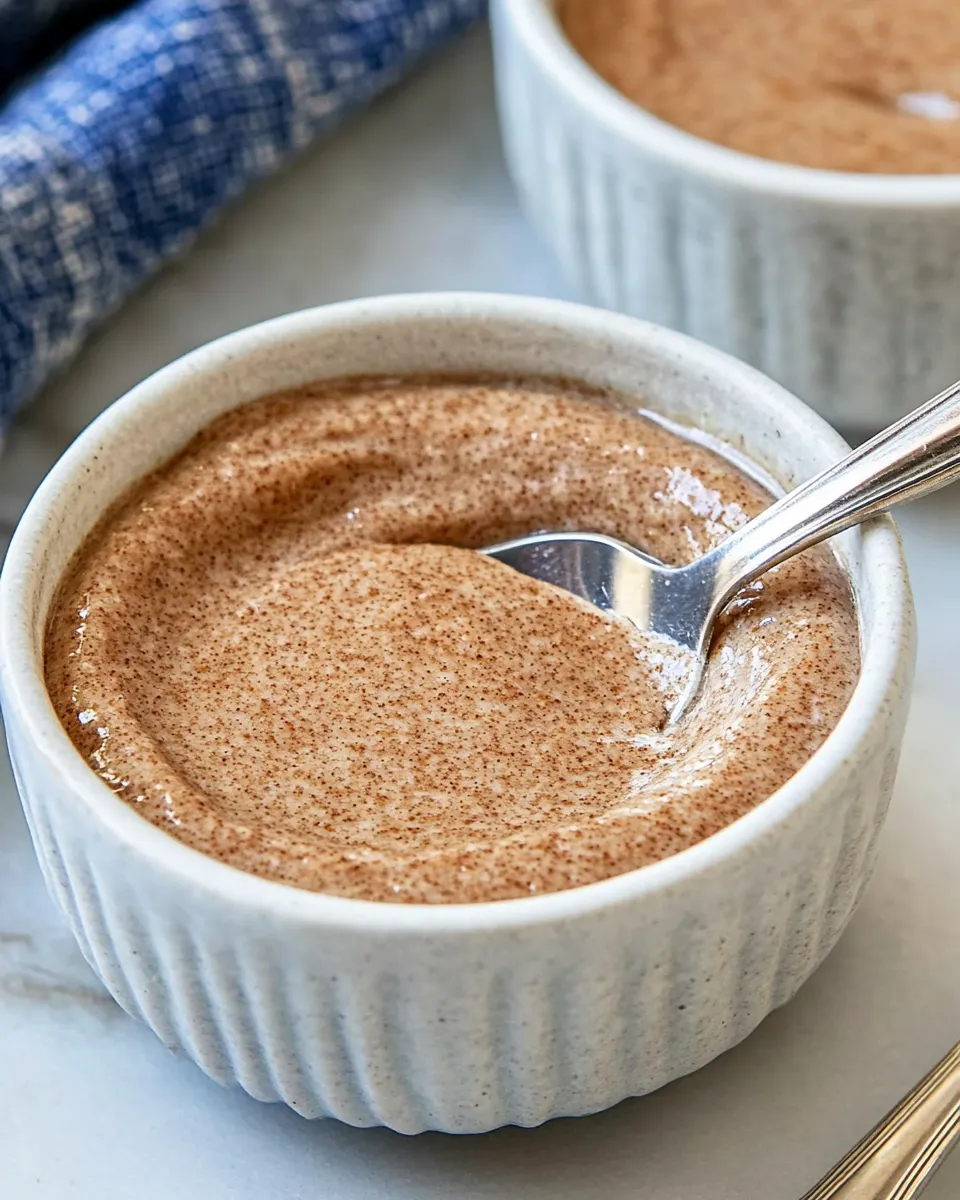
Here are some alternative ingredients and swaps you might consider for your almond butter:
- For a sweeter version, add a drizzle of honey or maple syrup.
- If you want added flavor, consider mixing in a teaspoon of vanilla extract.
- For a chocolatey twist, add cocoa powder for a delightful Chocolate Peanut Butter Oatmeal Bowl.
- Experiment with spices such as cinnamon or nutmeg for a warm flavor profile.
Avoid These Mistakes
While making almond butter is straightforward, here are some common mistakes to avoid:
- Not toasting the almonds: Raw almonds can be bland, so toasting them enhances their flavor.
- Not blending long enough: Almond butter takes time to reach a creamy consistency, so be patient and keep blending.
- Adding too much oil too quickly: Start with a small amount and add more as needed to avoid overly greasy almond butter.
- Skipping the salt: A pinch of sea salt can elevate the flavor significantly, so don’t forget it!
Make Ahead Like a Pro
Making almond butter can be a great meal prep activity. Here are some tips for making ahead:
Prepare a larger batch of almond butter and store it in an airtight container. It keeps well in the fridge for up to two weeks, making it a convenient option for quick breakfasts or snacks. You can also portion it into smaller containers for easy grab-and-go options throughout the week.
If you prefer variety, try making different flavored almond butters in advance, such as chocolate or cinnamon almond butter, and label them for easy identification.
Your Questions, Answered
Can I use roasted almonds instead of raw?
Yes, you can use roasted almonds to make almond butter. However, keep in mind that the flavor will be different compared to using raw almonds. Roasted almonds will create a richer, nuttier taste.
How do I know when my almond butter is ready?
Your almond butter is ready when it reaches a smooth and creamy consistency. The texture should be spreadable without any graininess. This usually takes about 10-15 minutes of blending.
Can I make almond butter without oil?
Yes, you can make almond butter without oil. The natural oils in the almonds will eventually release enough to create a smooth consistency. However, adding a small amount of oil can help if you’re having trouble achieving the desired texture.
How can I use almond butter in recipes?
Almond butter can be used in various recipes, such as smoothies, energy balls, or as a topping for oatmeal. You can also incorporate it into baked goods, like Almond Joy Pudding Cookies, for a delightful nutty flavor.
If you enjoyed learning about how to make almond butter, you might also like:
Time to Try It
Now that you have all the tips and tricks on how to make almond butter, it’s time to roll up your sleeves and get started! You’ll be amazed at how simple it is to create your own delicious almond butter at home. Enjoy the process, experiment with flavors, and savor the rich, nutty goodness of your homemade spread. Happy blending!
How to Make Almond Butter
Ingredients
Equipment
Method
- Step 1: Prepare the Almonds - Preheat your oven to 350°F (175°C). Spread the raw almonds evenly on a baking sheet and toast them for about 10-12 minutes.
- Step 2: Blend the Almonds - Once toasted, transfer the almonds to the blender or food processor. Start blending on medium speed.
- Step 3: Scrape and Continue Blending - Stop to scrape down the sides with a spatula after a few minutes. Continue blending for another 5-10 minutes.
- Step 4: Add Oil and Salt - If the mixture is too thick, add a tablespoon of oil and blend until smooth. Add sea salt to taste.
- Step 5: Store and Enjoy - Transfer the almond butter into a clean jar or container and store in the refrigerator for up to two weeks.
Notes
- Toast almonds for enhanced flavor.
- Add honey or maple syrup for sweetness.
- Store in an airtight container in the fridge.