
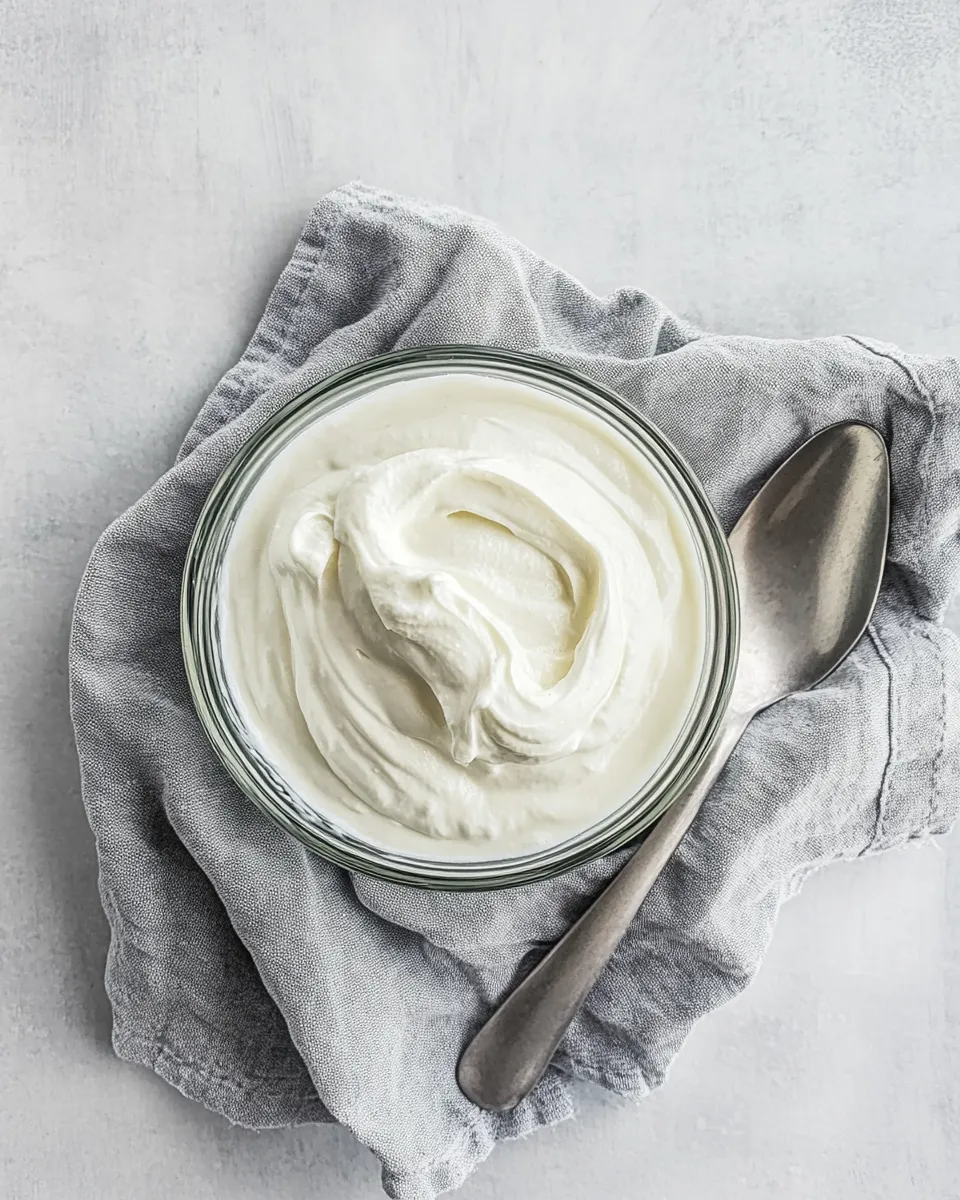
Making Greek yogurt at home is a delightful experience that rewards you with a creamy, tangy, and nutritious treat. It’s a versatile ingredient that can be used in breakfast bowls, smoothies, sauces, and even as a healthy snack. The best part? You only need two simple ingredients: whole milk and plain yogurt with live active cultures. In this guide, we’ll dive into the process of making Greek yogurt from scratch, ensuring you have all the tips and tricks to achieve that perfect consistency.
Why You’ll Love This Recipe

Homemade Greek yogurt is not only incredibly easy to make, but it also allows you to control the ingredients and flavors. You’ll save money compared to store-bought options, and you’ll be able to customize your yogurt to suit your taste. The creamy texture and tangy flavor of homemade Greek yogurt are unmatched, making it perfect for everything from Creamy Spinach Artichoke Dip Pasta Bake to a simple breakfast parfait topped with your favorite fruits and nuts.
Ingredients at a Glance
- 4 cups whole milk – Full-fat milk is recommended for a rich and creamy yogurt.
- 3 tablespoons plain yogurt with live active cultures – Make sure to choose a yogurt that contains live cultures for the best results.
Toolbox for This Recipe
- Heavy-bottomed pot – For heating the milk evenly.
- Thermometer – To monitor the milk temperature accurately.
- Whisk – For mixing the yogurt with the milk.
- Cheesecloth or fine mesh strainer – To strain the yogurt and achieve that thick Greek texture.
- Container for storing yogurt – A clean glass jar or bowl works perfectly.
Cooking How to Make Greek Yogurt: The Process
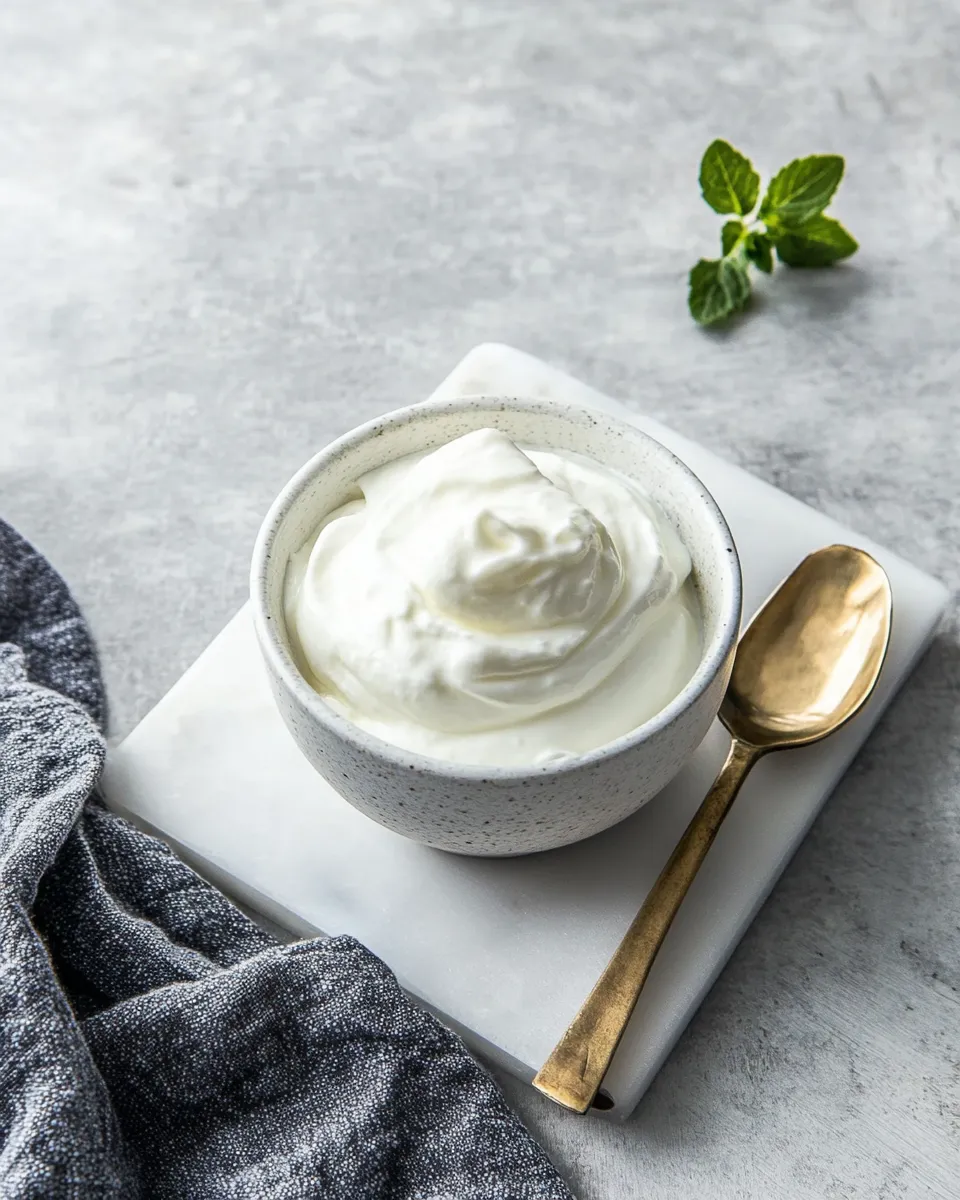
Step 1: Heat the Milk
Begin by pouring 4 cups of whole milk into a heavy-bottomed pot. Place the pot over medium heat and gently warm the milk until it reaches about 180°F (82°C). This step helps to denature the proteins, ensuring a smooth yogurt texture.
Step 2: Cool the Milk
Once the milk has reached the desired temperature, remove the pot from the heat and allow it to cool to around 110°F (43°C). You can speed up the cooling process by placing the pot in a cold water bath.
Step 3: Add the Yogurt Starter
In a small bowl, mix the 3 tablespoons of plain yogurt with a bit of the cooled milk to create a smooth mixture. Then, whisk this mixture back into the pot of cooled milk, ensuring it is well combined.
Step 4: Incubate the Yogurt
Cover the pot with a lid or a clean towel and place it in a warm spot in your kitchen. You can use an oven with the light on, a yogurt maker, or even a cooler with warm water. Let the yogurt incubate for about 6 to 12 hours, depending on how tangy you want it. The longer it sits, the tangier it becomes.
Step 5: Strain the Yogurt
After the incubation period, check the yogurt for thickness. If you prefer Greek yogurt, you’ll need to strain it. Place a cheesecloth or fine mesh strainer over a bowl and pour the yogurt into the strainer. Let it drain for 1 to 2 hours, or until it reaches your desired thickness.
Step 6: Store the Yogurt
Transfer the strained yogurt into a clean container. You can store it in the refrigerator for up to two weeks. Save a few tablespoons of this batch to use as a starter for your next homemade yogurt!
Make It Year-Round
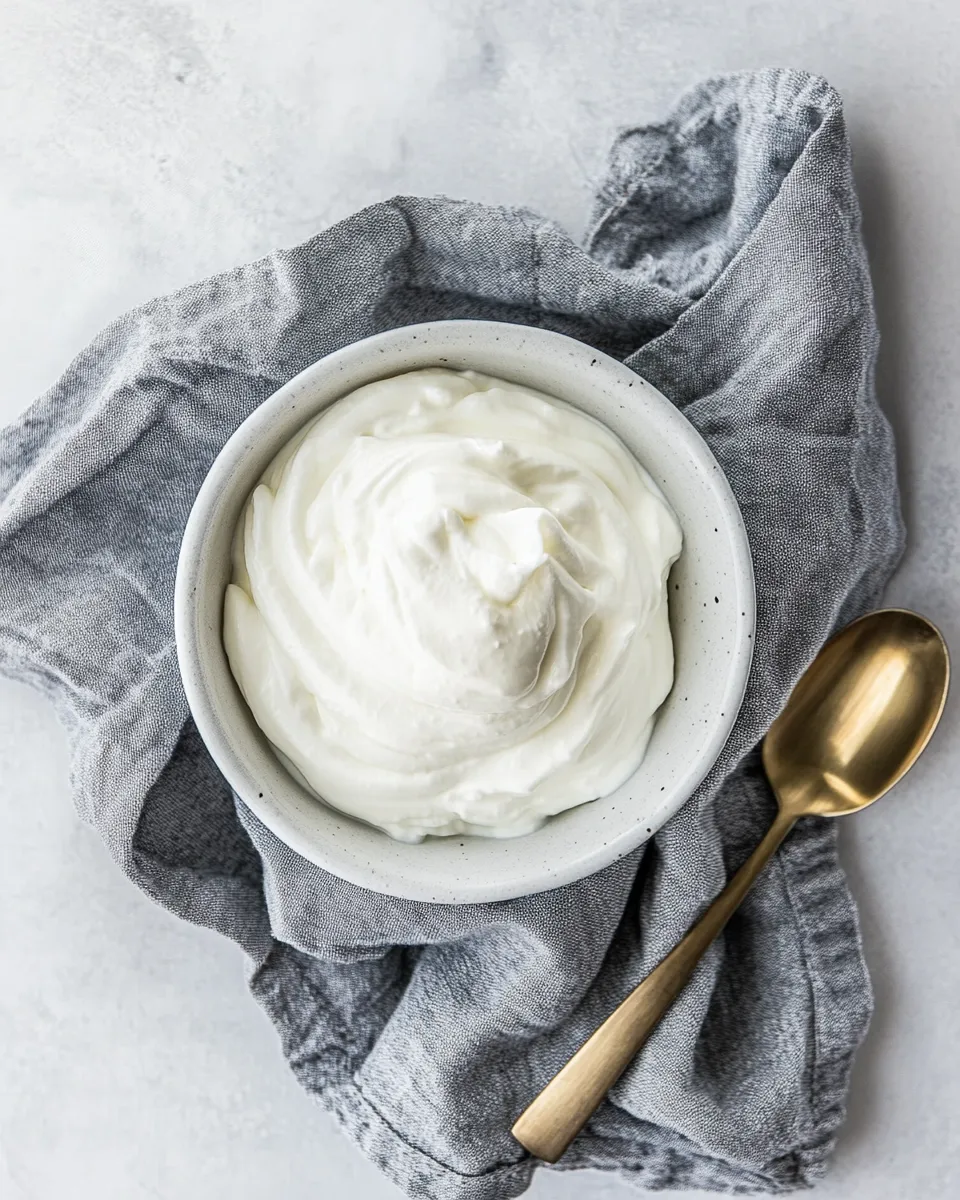
- Adjust the milk quantity to make smaller or larger batches based on your needs.
- Flavor your yogurt with vanilla extract, honey, or fresh fruits for a delightful twist.
- Use your homemade Greek yogurt in various recipes, such as smoothies, salad dressings, or even desserts.
If You’re Curious
Greek yogurt is known for its high protein content and lower carbohydrate levels compared to regular yogurt. It is also rich in probiotics, which are beneficial for your gut health. Making Greek yogurt at home allows you to experiment with flavors and adjust the thickness to your liking.
Prep Ahead & Store
Homemade Greek yogurt can be made in advance and kept in the refrigerator for up to two weeks. Use small glass containers to portion out servings for easy grab-and-go breakfasts or snacks. If you find yourself with excess yogurt, consider using it in recipes like Honey Garlic Steak Fried Rice With Egg Ribbons or even as a base for creamy dressings.
Reader Questions
Can I use low-fat or skim milk to make Greek yogurt?
While you can use low-fat or skim milk, the texture and creaminess of your yogurt will be different. Whole milk yields a richer and creamier yogurt, which is characteristic of Greek yogurt.
What if my yogurt doesn’t thicken?
If your yogurt doesn’t thicken after the incubation period, it could be due to the temperature being too low or the starter yogurt not having enough active cultures. Ensure that you use a good quality yogurt and maintain a warm environment during incubation.
How do I know if my yogurt has gone bad?
Homemade yogurt can last up to two weeks in the refrigerator. If you notice any off smells, mold, or unusual changes in texture, it’s best to discard it. Yogurt may develop a layer of liquid (whey) on top; this is normal and can be mixed back in.
Can I flavor my yogurt while making it?
It’s best to keep the yogurt plain during the fermentation process. Once your yogurt is ready, you can mix in flavors like honey, vanilla, or fruit to suit your taste.
Quick Weeknight Wins
- Use Greek yogurt as a base for Boom Boom Sauce to add a creamy, spicy kick to your meals.
- Mix Greek yogurt with herbs and spices for a quick and easy dip for veggies or chips.
- Top Greek yogurt with granola and fresh berries for a nutritious breakfast or snack.
Time to Try It
Now that you know how to make Greek yogurt, it’s time to roll up your sleeves and get started! The process is simple and rewarding, perfect for anyone looking to add a homemade touch to their meals. Your homemade Greek yogurt will become a staple in your kitchen, ready to be enjoyed in countless dishes. So gather your ingredients, follow the steps, and savor the satisfaction of creating something delicious from scratch. Enjoy your yogurt-making adventure!
Share on Pinterest
How to Make Greek Yogurt
Ingredients
Equipment
Method
- Step 1: Heat the Milk - Pour 4 cups of whole milk into a heavy-bottomed pot. Heat the milk to 180°F (82°C).
- Step 2: Cool the Milk - Remove the pot from heat and cool to 110°F (43°C).
- Step 3: Add the Yogurt Starter - Mix 3 tablespoons of yogurt with a bit of cooled milk, then whisk it back into the pot.
- Step 4: Incubate the Yogurt - Cover and place in a warm spot for 6 to 12 hours.
- Step 5: Strain the Yogurt - Strain the yogurt using cheesecloth for 1 to 2 hours until thick.
- Step 6: Store the Yogurt - Transfer to a clean container and refrigerate for up to two weeks.
Notes
- Customize flavors with vanilla, honey, or fruits.
- Greek yogurt can be stored in the fridge for up to two weeks.
- Save some yogurt as a starter for your next batch.